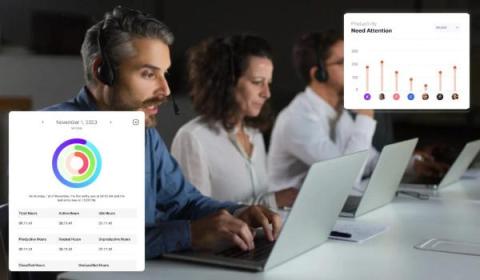

Agency time tracking refers to the process of monitoring and recording the amount of time that an agency and their employees spend on client projects and tasks. Agency is a broad term encompassing businesses such as: government agencies, marketing agencies, and creative services. In today’s blog we’ll look at some strategies to implement and utilize time tracking in an agency setting.
Gone are the days when customers rummaged through websites to find business contact details or jotted down email addresses and phone numbers to reach out. The strategy to embed chat widgets has elegantly streamlined this process, emerging not merely as a modern touch but as a prevailing standard in digital communication. According to Freshworks, over 41% of customers now expect a live chat widget on websites, showcasing a significant shift in user preferences.
Whether it’s a strategy planning session, client meeting, or catch-up with your line manager, note-taking is an under-appreciated skill in workplaces. With many teams working remotely, it’s more important than ever to be able to capture the information shared, and discussions had. Without good notes, meetings can be pointless and teams left wondering what to do next. In this post, we’ll show you exactly how to take flawless meeting notes.
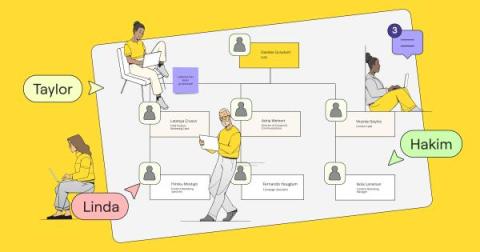
It’s no secret that the cornerstone of good business practices and processes lies in effective interdisciplinary communication. You want employees from different departments and with varied levels of expertise and experience to be able to engage with one another on a level playing field, rather than there being an imbalance in every interaction.
Tracking individual team members’ projects, deadlines, and resources is no easy feat. Instead of juggling emails, calendar events, and sticky notes, simplify the process with an employee task tracking solution. From manual methods to automated tools, this guide covers the best task trackers for remote, hybrid, and in-office teams—including tips for maximizing the value of whichever option you choose.
The digitization of the workplace has been ongoing since Alan Turing invented the first computer to break German codes during World War II. Quick to seize on their usefulness to do calculations faster and more accurately than humans, businesses have been inventing new uses for them ever since. At the end of the 1990s, the roll out of the Internet and the adoption of email as the dominant method of business communication took the digital transformation of the workplace to new heights.
We are always asked about engaging leadership: How do you get your executive and leadership team invested and involved in your intranet? We want to share a few tips and a worksheet you can challenge your executive team to complete.