Help Desk Software Buying Guide
Help desk software can make a world of difference for your organization. In this video we explore its benefits, the must-have features you should look out for, and our pick for best Help Desk Software.


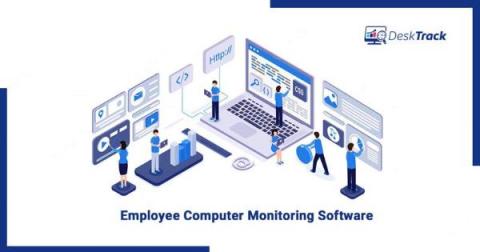
As we all are moving towards a world that features most of the work in the automated mode, the use of time tracking software is also rising. Time tracking software like Klok Time Tracking has enabled businesses to stay more productive, make the best use of time and monitor the employees working from home. This world is no longer a place of manually executing jobs; you will find managers managing the virtual office to be more economical and stay tech-savvy.
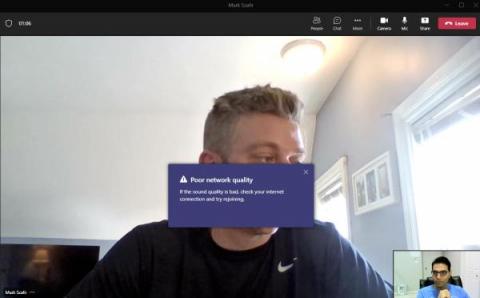
A recent Exoprise customer survey found that 60-70% of application problems occur within the enterprise environment or home network/ISP. So, if you need to resolve Teams call quality problems, it's best to investigate your network before you try and finger point to Microsoft. In today's article, we see how this applies to Exoprise when team members work from home or in a hybrid work setting. Last Friday, at about 10:00 am EST, I jumped on an impromptu video call with one of my sales colleagues to discuss an ongoing marketing project. Although I am based in the Northern Virginia area, my comrade (as they say in British English!) is from Boston.
A customer’s journey begins much before they become your customers. If you wish to grow a loyal customer base, you need to understand how to deal with different types of customers. You can categorize the different types of customers by identifying the specific needs of each potential customer or customer segment. Search for your brand on review websites or social media. You’ll get a bunch of different reviews & reactions to your products and services from customers.
In recent years, we have witnessed many changes in the way people work. Let’s start with changes that occurred during the industrial revolution; when factories were being opened everywhere, the small set-ups were paying less, accompanied by poor working conditions for laborers. It took years to bring labor-friendly reforms into reality. Back to the present scenario, luckily, things at work have changed for the better since then.
Since the Coronavirus pandemic, new work arrangements like the hybrid work model have become increasingly popular. It ushered in increased productivity and flexibility – a win-win for both employers and employees. As a result, most companies, including giant enterprises like Microsoft, continue with these flexible work models. If you’re looking to implement a hybrid work model and want to know if the benefits outweigh the drawbacks, you’ve come to the right place.