
Teams | Collaboration | Customer Service | Project Management

Everyone agrees on the priorities. Almost no one can see the money and the work behind them.

Your transformation strategy is only as strong as its alignment with team execution and financial investment. Now you can see portfolio health in real time, intervene before initiatives drift, and tie every request and dollar to the priorities that matter. The latest Strategy Collection innovations bring financial investment, delivery risk, and cross-team demand into one view. The best part? Every capability covered has shipped since our previous Innovation Spotlight.

Business Continuity: Definition, Planning & 5 Components

Business continuity planning has traditionally centered on IT failover, data backups, and facility recovery. Frameworks such as ISO 22301 give security and risk leaders a solid foundation for identifying critical functions and building recovery strategies around them. What many plans still don't account for is the communication layer itself, which focuses on the messaging and calling infrastructure that a response team depends on in the moment something goes wrong.

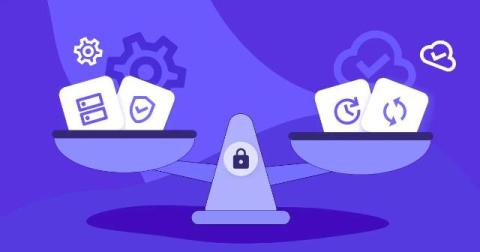
On-premise or cloud-based intranet: which model serves you better

Your traditional intranet used to be enough. Now employees expect to find answers in seconds from your system, one that was built to improve the overall employee experience. But for IT professionals, every weekend spent patching servers is a weekend not spent meeting that bar. The mobile access requests keep coming. The hardware refresh keeps looming. Something has to give.

Human Resource Management Software: The Complete Guide for 2026

Human resource management software (HRMS) is a digital platform that automates and streamlines core HR functions including payroll, attendance, leave tracking, onboarding, and performance management helping businesses reduce manual work, improve accuracy, and manage their workforce more efficiently.

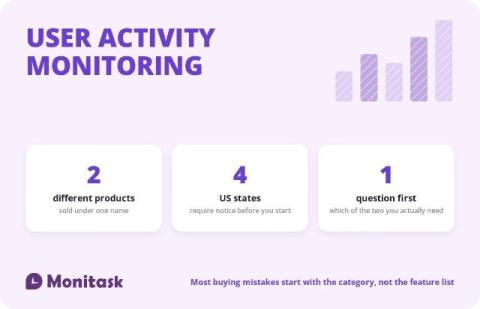
How to monitor remote BPO agents across shifts and time zones

BPOs run night shifts and rotational rosters because the customer they serve in the US or UK is awake on the other side of the clock. That means at almost any hour of the day, part of the workforce is remote, working alone, and out of sync with the manager who is supposed to be watching over them. The visibility gap this creates is not a trust problem. It is a coverage problem.