

Teams | Collaboration | Customer Service | Project Management

How to Stay Organized: Strategies for Better Productivity

How to Stay Organized is crucial in the current dynamic setting since it will enable one to manage all the tasks, priorities, data, and duties properly. This may come in handy whether it is in regards to personal goals, office work, or teamwork activities. In cases where people have to do several things at once, keep communicating constantly, attend meetings, and deal with deadlines among other things, it is possible to lose track of everything without a proper way to handle the work.

InDepth Guide: 12 Steps to Automate Your Employee Onboarding Workflow

Manual onboarding is a mess waiting to happen. Documents slip through the cracks, tasks get missed, accounts aren’t ready on day one and the result is a disjointed experience that frustrates HR and underwhelms your new hires. It’s not just inefficient; it’s a bad first impression. Automation changes that. With the right tools, you can turn a scattered process into a smooth, repeatable system that’s faster, more reliable, and easier to scale.

What Is Communication? Explained

Communication is the process of exchanging information, ideas, thoughts, or feelings between individuals or groups in a way that creates shared understanding. It happens through speaking, writing, body language, visual elements, and even silence, making it one of the most fundamental parts of human interaction.

Virtual Meeting Etiquette: Better Online Meeting Practices

Virtual meeting etiquette is the list of the professional norms and behavioral practices which are helpful to communicate professionally and work in collaboration during virtual meetings. It covers aspects like being on time, being a good listener, using a camera, microphone properly, communicating clearly and much more. Observance of all these rules provides the structure to the discussion and allows everybody to participate.

Why Hybrid Teams Need to Rethink Physical Access Control, Not Just Digital Security

For years, "workplace security" mostly meant firewalls, endpoint protection, and password policies. IT and security teams poured resources into locking down networks, devices, and cloud apps, while the physical side of the office, badges, door readers, visitor logs, was treated as a background system that just needed to work. Nobody thought much about it. Hybrid work changed that quietly, then all at once.

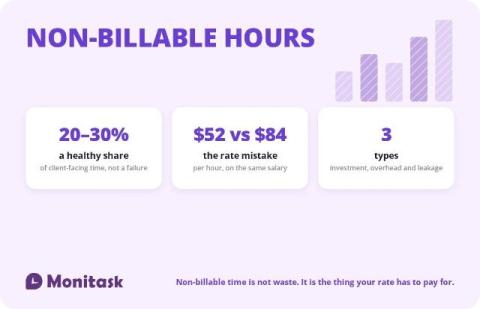
IT Services Utilization Benchmarks: Are You Above or Below Profitability?

Ever feel like your team is busy, but profitability is still inconsistent? This is a very common challenge for many IT service teams: they work at full capacity, yet the stronger margins don’t always follow. In service businesses, utilization plays a very important role in profitability.

Inside the build: How Asana made goals work the way your team does

Clear expectations and a sense of mission make work meaningful—yet data shows both are harder to achieve than it seems. Only 46% of employees feel clear about what’s expected of them at work, according to a 2025 Gallup poll. Meanwhile, only 31% of managers feel engaged. Asana Goals was built to close that gap by giving teams a structured way to connect daily work to the results that matter. Asana Goals gives every team a single place to define what success looks like.

Lean Project Management: Principles, Tools, Examples, and How to Apply It

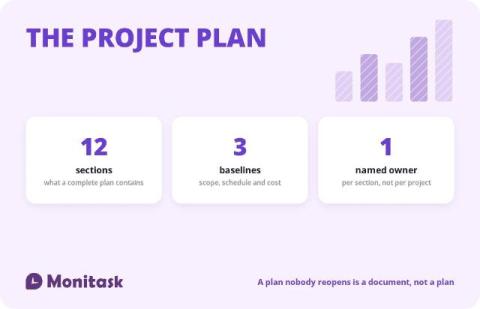
Teams are often busy, but that doesn’t always mean work is moving forward. Delays caused by unclear priorities, repeated approvals, manual status updates, and scattered communication can slow even the best projects. Lean project management helps teams deliver more value by removing the work that doesn’t contribute to the final outcome. Instead of asking people to work faster, it focuses on improving workflow, reducing waste, and making project delivery more predictable.

Rocket.Chat 8.6: Virtru integration for ABAC and FIPS-compliant image

The organizations that depend on Rocket.Chat operate with requirements that don't bend: access control has to be precise, presence has to reflect operational reality, and deployments have to meet the standards federal procurement demands. Version 8.6 advances all three. Here is what is new.