People, teams, and AI agents are all showing up to the same place for work — Slack. And it's companies like OpenAI, Anthropic, Notion and Vercel who are leading the way.
Contact centers that close the gap between what business systems know and what agents know at the moment of pickup see measurable results fast. Caroline Howick, Team Manager for Pensions at Kent County Council, reports that Luware Nimbus boosted answer rates by 44% and cut wait times to just 30 seconds after deployment. That outcome reflects what happens when routing is intelligent and agents arrive at every call already informed.
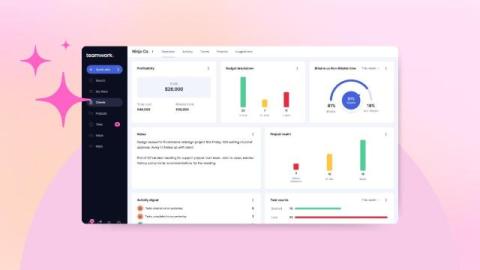
Before I joined Teamwork.com, I spent years working in agencies where choosing project management software felt like picking a restaurant in a city you've never visited. The menus all look the same. The reviews contradict each other. And by the time you commit, half your team is already hungry enough to eat anywhere.
The gap between tracking project data and presenting it well is where most delivery teams lose time, credibility, and control. I've watched operations directors spend hours every week assembling status decks from three different tools, only to field the same questions from leadership that the data should have already answered. This guide covers what to track, when to track it, and how to present project data so it actually reaches the right people in a format they can act on.
How a modernized IT Ops team cut alert noise, slashed ITSM costs by 37%, and built a fully connected Ops platform that traces change and reclaims on-call sanity. The learnings in this blog post are based on the session, “From alert noise to action: How 24 Hour Fitness modernized IT Ops with Jira Service Management”, presented at Atlassian’s Team ’26 conference. You can check out this session and others on demand.
Eduardo Umaña, Business Operations Manager at TechChoice, shares how Geckoboard's sales leaderboards give reps instant visibility on quota attainment, progress toward President's Club, and how they stack up against their peers, all in one place and right where they work in Monday.com. If your sales team is flying blind on their own numbers, this one's worth a watch.
Our Jira engineering team was spending more time than we’d like focused on KTLO (keeping the lights on) tasks – the small, but important maintenance tasks nobody wants to spend time on. This includes work like cleaning up old feature flags, chasing flaky tests, fixing identified vulnerabilities, addressing accessibility issues, and chipping away at a long tail of bugs.