Tracking can build trust or erode it. Use two simple tests, six warning signs, and a rollout checklist to see remote work clearly without micromanaging.
The Microsoft 365 outage demonstrates just how exposed nations are when they are reliant upon a vendor-controlled and managed solution. During three relatively benign decades, and the rise of SaaS, governments were lulled into relying on such systems. It was seen as cheaper and easier. But in a considerably different geopolitical climate, there’s a growing realisation that the centralised design of vendor-controlled systems makes nations weak.
Outlook and Teams went down worldwide. What we know so far about the Microsoft 365 outage, who was affected, and why one provider shouldn’t run all your communication.
Healthcare organizations handle large volumes of sensitive information every day, including patient records, diagnostic reports, prescriptions, treatment plans, and medical histories. Doctors, nurses, administrative employees, laboratory technicians, and other healthcare professionals regularly exchange this information to coordinate patient care and manage daily operations.
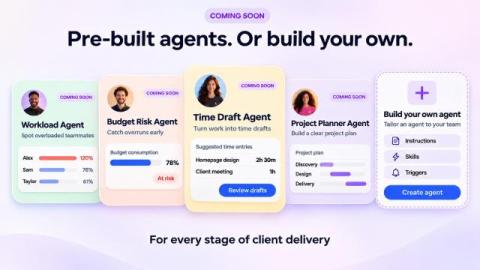
Every client project comes with work around the work. Chasing missing time on a Friday afternoon. Pulling numbers together for a status report. Checking who has too much on next week. Moving dates when a task slips. None of it is hard. It just takes time, and it pulls your best people away from clients. AI agents are coming soon to Teamwork.com to take that work off your plate. Be one of the first to put AI agents to work. Join the waitlist.
We’re excited to announce the release of Zulip Server 13.0, containing numerous new features and bug fixes. Almost 2,200 new commits have been merged across the project since the 12.0 release in April 2026. Our team put significant focus on improving navigation between conversations, and searching for topics and messages in 13.0.
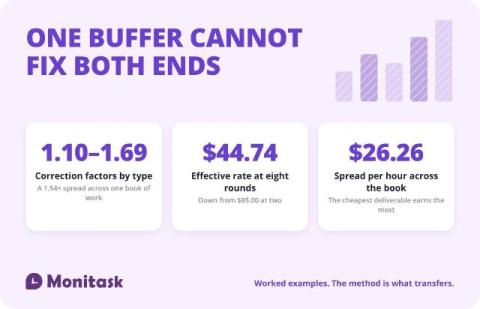
Designers track time to fix estimates, not to prove hours. The method is a ratio: record actual hours against the estimate for each type of deliverable, and use that type’s ratio to correct the next quote. A single overall buffer does not work, because the gap between estimate and actual varies by roughly 1.54× across deliverable types. The figures below are worked examples; the method is what transfers.
To manage shadow IT, start by creating visibility into the tools people use, then talk to the teams using them to understand why. Set priorities by risk, decide which tools to approve, replace or retire, and give employees governed tools that are as easy to use as the apps they chose themselves. Messaging and crisis communication need a plan of their own. Shadow IT is rarely a sign of bad intent.
Communication transparency builds employee trust by giving people the information that affects their work, their pay, and their health before they have to ask for it. Employees may judge an employer less by its all-hands messages than by whether it shares difficult information when it matters. Safety information is the hardest version of that test. When an employer holds back a workplace hazard, the damage to trust can surface decades later, as the history of asbestos exposure illustrates.
November 9, 2026 Quick overview: Monitoring employee attendance works best when every hour your distributed team logs has a verified record. Time Doctor keeps that record, so payroll, billing, and process compliance can rely on it. That matters because 3.2% of full-time U.S. employees miss work time in an average week (BLS, 2025). Payroll runs on attendance data. So do client billing, overtime planning, and most staffing decisions.