
Managing resources effectively is crucial for large enterprises to succeed. As organizations grow in size and complexity, work that was once manageable becomes a multifaceted challenge as more projects, cross-functional teams, and objectives enter the mix. Often, enterprise leaders find themselves tackling demands and shifting priorities to maintain efficient and effective resource management.
Explore how coffee badging, a prevalent practice in modern hybrid workplaces, represents a significant shift in workplace dynamics and employee priorities, with 60% of employees participating. Discover how a monitor computer software tool can help.
Think business intelligence (BI) is only for the big guys? Not anymore. In the past, business intelligence software was expensive and effectively limited to big businesses. Integrating it into existing systems (let alone running it) required more resources and IT infrastructure than the typical small to mid-sized professional service firms could muster.
One primary importance of attendance at work lies in fostering trust and accountability. A dependable workforce ensures that projects progress smoothly, deadlines are met, and a culture of reliability prevails. Employers benefit from enhanced team collaboration, while employees experience heightened job security and accomplishment. Addressing attendance challenges head-on, employee attendance tracking software emerges as a transformative solution.
Asana is one of the most comprehensive project management tools out there, with a wide range of features that help teams organize their work. It even has reporting dashboards baked in, allowing you to easily create dashboards for your Asana projects in a few clicks, extract insights from your data, and drill in to the specific tasks from a data visualization.
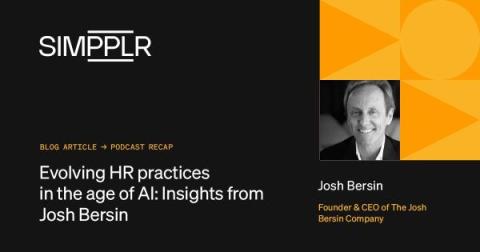
Human Resources (HR) have experienced an important change in the constantly changing field of people management. With a variety of titles like People Operations, Human Capital, or Employee Experience Architect, HR is emerging as a key role in navigating the unknowns of the work of the future as we stand on the edge of a new age. Today’s HR professionals face a variety of challenges in this dynamic climate, which calls for a proactive and strategic vision.