
Teams | Collaboration | Customer Service | Project Management

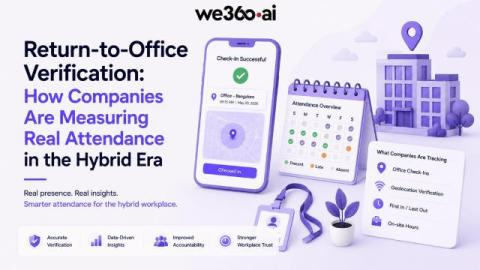
How Companies Are Measuring Real Attendance in the Hybrid Era

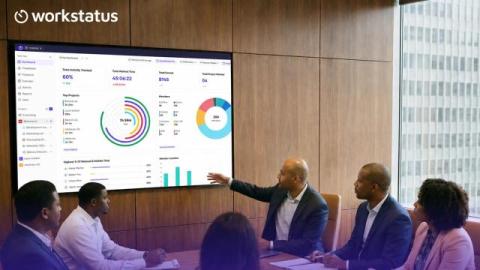
Return-to-office mandates stopped being a debate about "if" a while ago. In 2026, the conversation has moved to a much harder question: how do you actually know whether people are working from the office, or just badging in to check a box? Return-to-office verification means using real attendance and activity data — not just badge swipes — to confirm employees are genuinely present and working during mandated in-office days. ‍

Out of the chat window, onto the canvas: Bringing teams and agents together to build the right thing

Do the math on AI’s impact at your company. Add up every hour it saved last quarter — research synthesized in minutes, prototypes generated before lunch, code drafted overnight. Then, look at how much impact those shipped ideas are driving in terms of traffic, revenue, whatever metric means most to your business. The two numbers rarely add up.

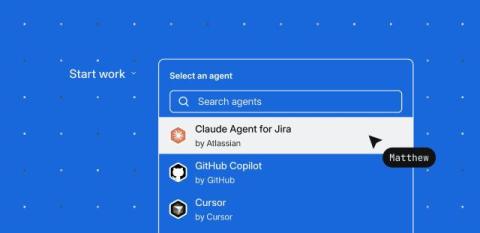
How we're evolving Jira for AI-native software development

Whether I speak to customers or Atlassian’s own engineering teams, the message is consistent: the unprecedented adoption of powerful coding agents has transformed software development, but the hard parts of delivering software are…gasp…still pretty hard. Teams still have to decide what to build, and why it should exist. They need to understand the system they’re changing and which constraints matter.

Velocity over speed: Relevance AI founder & co-CEO Jacky Koh on moving fast as a team

AI has made every individual faster. The harder question — one we spent the day discussing at Canvas 26 Sydney — is whether it’s made teams faster. Those aren’t the same thing, and confusing them is where a lot of organizations’ AI ambitions get stuck. Jacky Koh has watched it happen up close. As founder and co-CEO of Relevance AI, an AI workforce platform used by Canva, Databricks, and Uber among many others, he spends his days helping companies put agents to work.

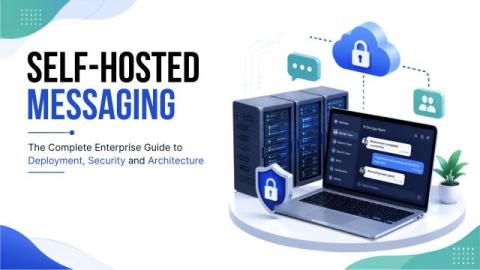
Self-Hosted Messaging - Deployment and Security Guide

Self-hosted messaging is a communication solution where an organization hosts and manages its own messaging server instead of relying on a third-party cloud provider. It gives complete control over messages, files, user data, and security, making it the preferred choice for enterprises, government agencies, defence organizations, and other regulated industries that require data sovereignty and compliance.

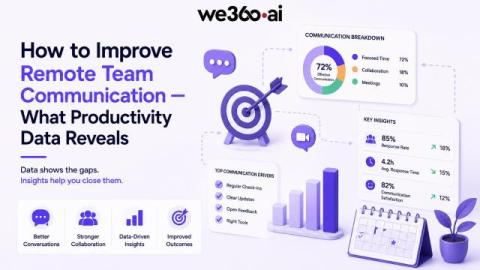
How to Improve Remote Team Communication - What Productivity Data Reveals

Most advice on improving remote team communication reads the same way: over-communicate, use video when possible, set clear expectations, choose the right tool. It's not wrong, but it's generic enough to apply to any team, anywhere, which is exactly why it rarely fixes anything. The more useful question isn't "what should teams do differently" — it's "what does the actual data show is going wrong, specifically, on remote teams right now?" ‍

10 Ways to Monitor Employee Performance

Most companies approach employee performance monitoring the wrong way. They either: You need an approach that can help you understand who’s actually delivering value, whether they’re three desks away or three time zones apart. Whether you’re trying to find who needs support, who deserves the promotion, or who’s quietly struggling, this guide provides practical advice to understand and improve employee performance.

Workforce Intelligence Explained: Turning Work Data into Business Outcomes

Can workforce data actually help businesses grow? With work intelligence, organizations can transform everyday work data into actionable insights that improve productivity, workforce planning, and overall business performance. In this blog, you’ll explore how the workforce intelligence tool works and how it helps businesses turn work data into measurable outcomes. Let’s go!!

7 best PSA software for software implementation teams

I spent years managing client services teams before I joined Teamwork.com, and software implementation projects were always the ones that kept me up at night. A go-live date would slip, a consultant would get double-booked across two rollouts, and the billable hours nobody logged would quietly eat the margin. Most of that chaos came from running implementations across a spreadsheet, a time tracker, and a separate billing tool that never talked to each other.

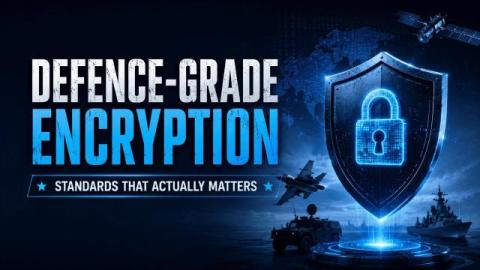
Defence-Grade Encryption: What Standards Actually Matter for Secure Messaging

Defence-grade encryption is a level of cryptographic protection, typically built on standards like AES-256 and end-to-end encryption with strict key management, that meets the security requirements demanded by military, government, and other high-risk organizations. The problem is that "defence-grade" and "military-grade" have become marketing terms slapped onto products with little regard for what they actually mean.