
Teams | Collaboration | Customer Service | Project Management

Let AI handle the daily tasks that slow you down

Knowledge workers spend more than half their time on work that isn't their actual work. Sorting requests. Writing status updates. Following up on things that were supposed to be done last Tuesday. According to Asana's State of AI at Work 2025, that number is 55% of the workday — busywork that AI can now absorb, if you set it up right. Download the report.
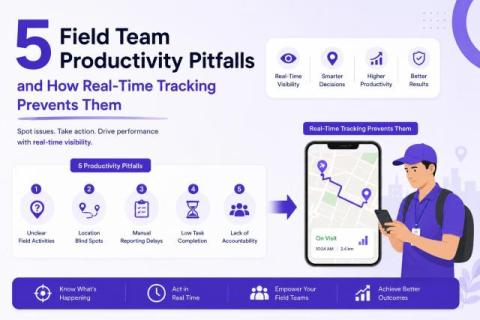
5 Field Team Productivity Pitfalls and How Real-Time Tracking Prevents Them

‍ Managing a field team is difficult when you can't see what happens between check-ins, visits, and reports. According to Forbes, outdated manual processes and disconnected systems can lead to limited visibility into field activities, scheduling inefficiencies, delayed responses, and higher costs. The problem isn't always effort; it's visibility. From inefficient travel and inaccurate time reporting to delayed task updates, small gaps can add up.

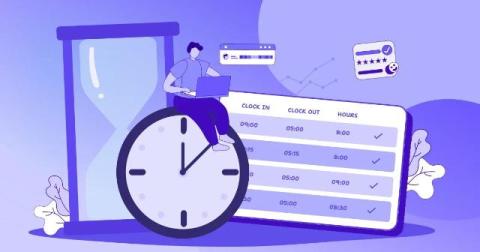
What Is Time Theft at Work? Types, Examples, and How to Prevent It

Time theft rarely shows up as one dramatic incident. It shows up as ten minutes here, a long lunch there, a shift clocked in early with no work done in that window. None of it looks like much on its own. Added up across a team, a quarter, a year, it becomes one of the quietest and most expensive leaks in a payroll budget.

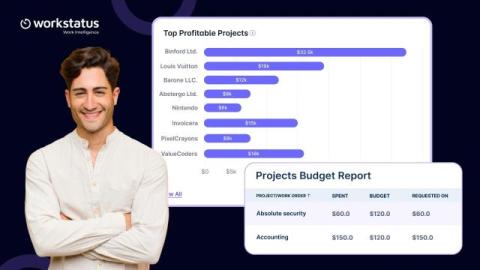
Why Busy Teams Still Lose 15-30% Profit Margins

It is one of the most frustrating paradoxes in professional services. Your team is working around the clock. Calendars are packed. Slack is buzzing. Everyone is exhausted. Yet when the quarter closes and financial results arrive, the story is different. Profit margins are thin, flat, or shrinking even with high billable work. The most profitable agencies are not the busiest ones. They are the ones who clearly understand how time, effort, and resources convert into revenue.

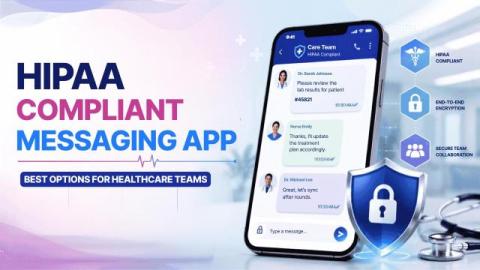
HIPAA Compliant Messaging App - Best Options for Healthcare Teams

A HIPAA compliant messaging app is a secure communication platform that encrypts Protected Health Information (PHI), enforces access controls, maintains audit logs, and supports HIPAA compliance through a Business Associate Agreement (BAA). Unlike consumer messaging apps such as WhatsApp, iMessage, or SMS, HIPAA compliant platforms are designed to protect patient data and reduce compliance risks.

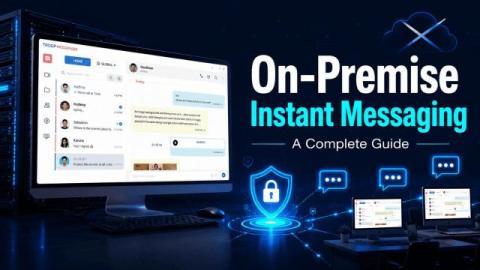
What Is On-Premise Instant Messaging? A Complete Guide

On-premise instant messaging is a business communication solution that is hosted and managed on an organization's own servers or private infrastructure instead of a third-party cloud. It allows businesses to keep complete control over their messages, files, and communication data while maintaining better security and privacy. This guide explains how on-premise instant messaging works, its benefits, key features, challenges, and how to choose the right solution for your organization.

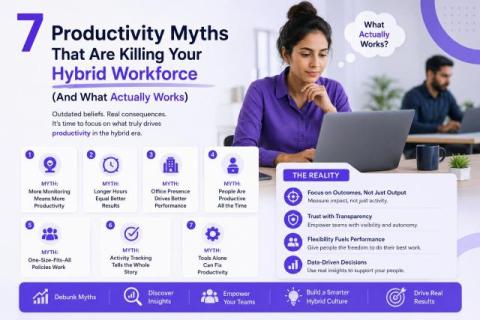
7 Productivity Myths Killing Your Hybrid Workforce (2026 Guide)

It is high time that your team leaders believe that hybrid work is here to stay. If your company or manager has a problem with the hybrid work culture, it’s the problem of failing to follow it. Hybrid work was a compulsion during COVID times, and since then, most companies have adapted as it felt convenient to them. Four years later, those same rules are quietly tanking output, burning out managers, and making good people quit.

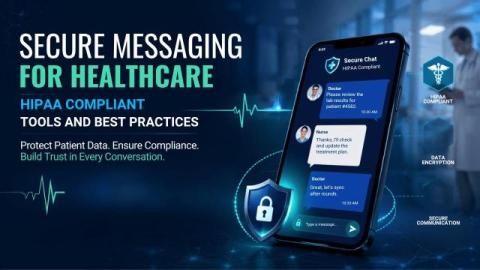
Secure Messaging for Healthcare - HIPAA Compliant Tools and Best Practices

Secure messaging for healthcare is the use of encrypted, access-controlled communication platforms that protect Protected Health Information (PHI) while enabling secure communication between clinicians, care teams, patients, and administrative staff. Unlike consumer messaging apps or standard SMS, healthcare messaging platforms provide encryption, audit trails, and access controls to support HIPAA compliance and protect sensitive patient data.

12 Best Contractor Management System Software for 2026

Managing contractors through disconnected spreadsheets, emails, payroll platforms, and project tools creates avoidable operational gaps. Onboarding requirements vary between departments, important documents become difficult to locate, and contractors may begin work without clear responsibilities, deadlines, or project context. Managers are also left without a reliable view of contractor availability, logged hours, costs, outstanding approvals, and delivery risks.