
Teams | Collaboration | Customer Service | Project Management

Employee Monitoring for US Distributed Teams 2026 | We360.ai

Employee monitoring for US distributed teams is legal in most states when employees are informed upfront and monitoring is limited to work systems during work hours. The tools that work best for async, cross-timezone teams track outcomes and activity not keystrokes and screenshots. We360.ai is built for this: low-bandwidth, privacy-configurable, and deployable without an IT project.

We360 Workforce Productivity Index 2026

The We360 Workforce Productivity Index draws on anonymised, aggregated platform data from 10,000+ companies using We360.ai across India, covering January through March 2026. No individual level data is exposed. All figures are company level aggregates, stripped of identifying information before inclusion.

California CPRA + Employee Monitoring [2026]: Compliance Guide

California employers have always operated under stricter workplace rules than most states. CPRA turned that up. Since January 1, 2023, the exemption that kept employee data outside CCPA's scope expired and now every piece of data your monitoring tools collect is potentially subject to access requests, deletion demands, and mandatory disclosures.

Jira Time Tracking Guide

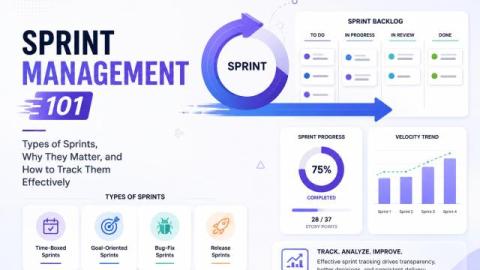
Jira has native time tracking built in, but it's off by default in most Jira Cloud projects and limited in what it reports. For teams that need billing accuracy, capacity planning, or per-user breakdowns, pairing native logging with a plugin like Tempo or Clockify adds the reporting layer Jira doesn't ship with. Setup takes under an hour for most teams.

People Analytics [2026]: Definition, Tools, Use Cases

People analytics is no longer a “nice to have” because it has become the operating system of the modern HR function. Boards now ask CHROs for the same rigour that their CFOs deliver, which means numbers, trends, forecasts, and a clear line from workforce decisions to revenue.

Time Tracking Software

We360.ai is a unified time tracking system that runs quietly in the background and turns activity into accurate, auditable data. Instead of asking employees to remember what they did, the platform captures work hours, app usage, project context, and idle periods automatically. It then surfaces this information in dashboards that your finance, HR, and delivery teams can act on the same day.

Project Management Built for Modern Execution: Plan, Collaborate, Deliver

Project work in 2026 looks nothing like project work even five years ago. Teams are distributed, scopes shift weekly, billing models are mixed, and leaders need real-time visibility without chasing status updates across Slack, spreadsheets and three different tools.

Employee Monitoring for Healthcare

By Ishika, SEO Expert at We360.ai. Published: 15 May 2026. TL;DR: Employee monitoring for healthcare tracks staff attendance, system access patterns, and productivity data scoped to exclude clinical records and patient information. The legal requirement in India is explicit written consent under the DPDP Act before any monitoring begins. Attendance and shift coverage are the highest-ROI starting points for most healthcare organisations.

AI in the Workplace [2026]: Productivity Without Big Brother

Most companies in 2026 are already using AI somewhere in their hiring pipeline, their customer support queue, or their project management software. What fewer companies have figured out is how to use it well, in ways that actually improve working life rather than just adding surveillance overhead. This isn't a theoretical question. According to McKinsey's Superagency in the Workplace report, 92% of companies plan to increase their AI investments over the next three years.

What Causes Low Productivity [2026]: 7 Root Causes + How to Fix Each

Most articles about low productivity blame the worker. The data tells a different story. According to the OECD, productivity growth across advanced economies has slowed from 2.4% in the 2000s to under 1% today, and that drag shows up on every team’s dashboard, not just on national balance sheets. For Indian and APAC operations leaders, the question is no longer whether productivity is slipping, but which of the seven root causes is hurting your team right now.