
Teams | Collaboration | Customer Service | Project Management

Critical National Infrastructure: Security, Threats & Protection

Critical national infrastructure covers power grids, water systems, healthcare, financial networks, communications, transport, and other infrastructure where disruption can have serious consequences for the nation. Protecting these systems means knowing what infrastructure is critical, how different sectors depend on each other, and which threats could interrupt essential services.

HIPAA-Compliant Texting: Rules, Risks & Best Practices

Text messaging has become one of the fastest and most convenient ways for healthcare professionals to communicate, and that speed is exactly why it creates compliance risk. Most consumer apps are not HIPAA-compliant, and texting through those apps creates risks for your organization. But that doesn’t mean you have to skip texting entirely.

Why Revenue Growth Without Visibility Reduces Profitability

Revenue growth is often viewed as a sign of success by service businesses. More clients, more projects, and higher revenue should lead to higher profits. However, many service businesses have a different experience. They notice revenue increases, but margins remain the same or even begin to decline. The reason is simple. Revenue can tell you how much money is coming into your business, but it fails to show how efficiently work is being delivered. Research by U.S.

On-premise to cloud intranet migration guide for IT managers

In 2012, your on-premise intranet lived behind a VPN, went dark during patch nights, and groaned under peak loads after all-hands emails. Jump to today: the perimeter is identity, search is instant, and updates land without a maintenance window. This guide is your bridge between those two realities.

What Is Product Ops and Why Every Scaling Product Team Needs It

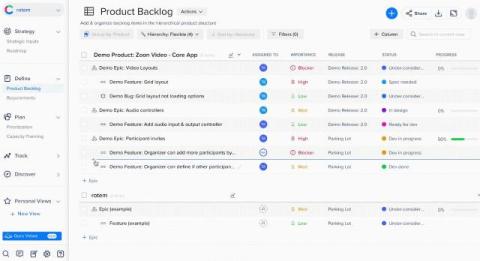
Product operations (product ops) is the function that keeps a product organization running smoothly as it scales. If product management is about deciding what to build and why, product ops is about making sure those decisions get made consistently, communicated clearly, and connected to the teams doing the actual work.

craft.io vs Jira Product Discovery: What Product Managers Need to Know

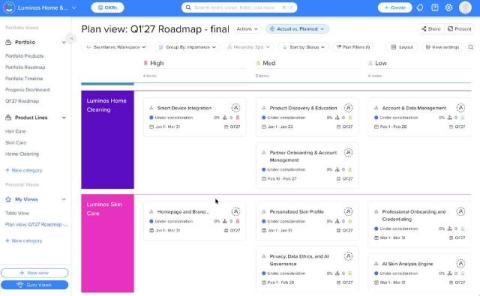
If your team already runs on Jira, Jira Product Discovery probably looks like an obvious next step. It lives inside the Atlassian ecosystem, surfaces ideas from your engineers and stakeholders, and links those ideas directly to Jira issues. For teams that want lightweight idea capture without leaving Atlassian, it does that job reasonably well. The question worth asking before you commit is: how much of product management are you actually trying to support? Idea capture is one slice.

How to track employee work hours with screenshots without micromanaging

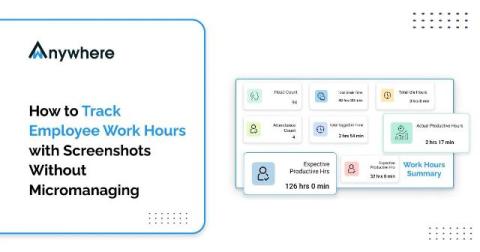
Remote and hybrid work has changed what a normal workday looks like, and that has made it harder for managers to understand how work hours are actually being spent. The old cues of presence, someone visibly at their desk, the sound of a busy office, simply are not there anymore for distributed teams. Traditional employee monitoring tried to fill that gap, but heavy-handed tracking often creates its own problems around privacy, trust, and micromanagement instead of solving the visibility problem.

Understanding the Privacy and Security Implications of OpenAI's Apple Messages Plugin

OpenAI's new Apple Messages plugin gives ChatGPT access to the Messages application on a Mac. Once enabled, users can ask ChatGPT to find conversations, summarize them, draft replies, and send messages. That has understandably raised questions about what it means for iMessage privacy. The starting point is understanding what the plugin does and, just as importantly, what it doesn't do.

Enterprise Cyber Security Solutions for Security Leaders

Enterprise security is becoming more complex because companies have more users, devices, cloud services, and third-party applications to protect than ever before. Many successful attacks still exploit basic security gaps across these environments rather than sophisticated vulnerabilities. Enterprise cyber security solutions help organizations protect every layer of the business, from networks and endpoints to identities, data, and communication. In this guide, you'll learn.