
The new year is here and with it comes our annual list of key customer service trends! Our 2019 trends article was a huge hit, so here’s what is set to make an impact in 2020…
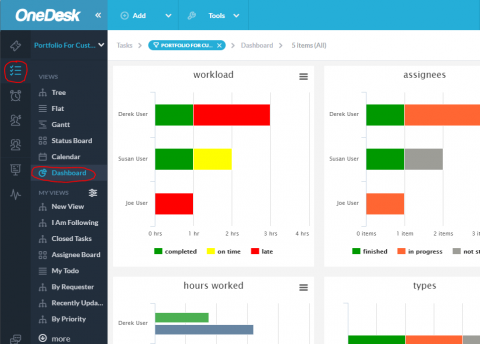
In OneDesk, dashboards are a type of ‘view’ which are displayed in the left panel and show you some useful charts and statistics about your data. You can create and save your own dashboard-views, just like you can create tree-views, card-views, gantt-views, etc.
Customer service is what truly makes or breaks your business. Every interaction your support team has with end-users is essential in shaping their perception of what your brand represents. Customers, at each stage of their journey, expect a good standard of service and will not appreciate slow, unprofessional answers. In fact, we found out that 56% of consumers globally have stopped doing business with a brand due to a single bad service experience in the last 12 months.
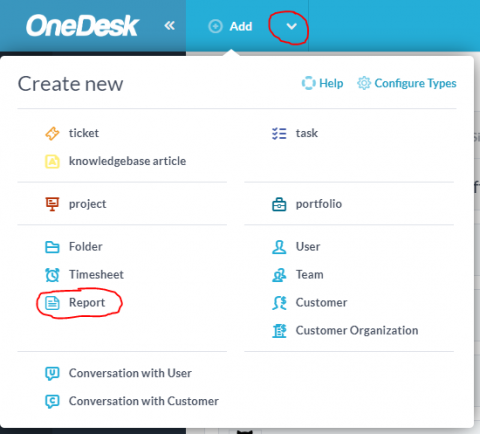
OneDesk ships with some pre-set report templates included. These let you quickly generate reports on tickets, tasks, projects, timesheets, and invoices with just a few clicks. However OneDesk also includes powerful tools to let you create your own report templates, schedule them so that they run without your interaction, and can be automatically emailed out to you, your team, or your management.
In the last decade, automation has brought about considerable changes in simple and complex processes for quicker output. In the call center industry, programmed automation has enhanced customer experience and made a significant impact on support efficiency. With artificial intelligence being at the forefront of change, there is apprehension over whether AI will take over end-user support completely.
The growth of Artificial Intelligence has had an enormous spurt in the last few years. The use of AI in Helpdesk Automation is reducing the burden on professionals. Chatbots integrates with IT Service Management(ITSM) and acts as a virtual support agent.
The most successful brands in today’s competitive market have one thing in common – they offer outstanding customer support and prioritize customer satisfaction (CSAT). CSAT is largely dependent on customers’ interactions with your customer care department, starting with the first touch. Having the right team is the key to delivering outstanding customer experience.