

Teams | Collaboration | Customer Service | Project Management

The Paradox of Workforce Monitoring

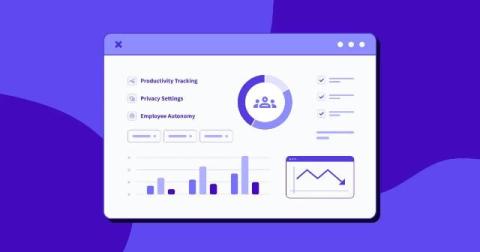
Workforce intelligence doesn't destroy trust it builds it. In fact, 67% of employees across 1,200+ companies say transparent visibility makes them MORE confident in leadership, not less. This counterintuitive finding changes everything HR and operations leaders thought they knew about workforce data. In this video, we break down the exact framework separating companies that build trust through workforce intelligence from those that destroy it. You'll see real data, a full case study, and a 30-day implementation roadmap you can act on this week.

Embedded mode for Web Widget: Place messaging anywhere on your site | What's New

Embed the Zendesk Web Widget directly into your website layout. Embedded mode lets you place the full messaging experience—or individual components like the conversation list or chat screen—inside custom containers on any page. Create a seamless, branded support experience that fits your site’s structure, while retaining the full functionality and customization of the Web Widget. Zendesk makes customer and employee service better. We build software to meet customer and employee needs, set your team up for success, and keep your business in sync.

Workforce capacity planning: How to stop guessing and start forecasting your team's capacity

Every operations leader I know has the same Monday morning ritual. You open your inbox, find three new project requests, and immediately start wondering: do we actually have the people to deliver this? That's not a scheduling problem. It's a workforce capacity planning problem. And it's the difference between confidently saying "yes, we can start next week" and crossing your fingers that nobody burns out before the deadline.

Resource management in Excel: when spreadsheets help (and when they hold you back)

I’ve seen so many leaders try to manage their growth using basic spreadsheets. It’s the logical starting point: it’s familiar, accessible, and you can build a functional-looking plan in no time. The problem is that a plan that looks organized isn't the same as one that actually scales. What works for a small group quickly falls apart the moment the team starts to grow and the complexity kicks in.

Empathy Map Basics: How to create one

Empathy maps turn qualitative research into visual insights that your entire team can act on. In this video, we walk through how to create powerful empathy maps in Miro using professional templates, covering the four core quadrants (Think and Feel, See, Hear, Say and Do), Pain and Gain analysis, and how to use Miro AI to turn your completed map into structured next steps. Whether you're a UX researcher, product manager, or designer, empathy maps in Miro give your team a shared reference for every design decision so you stop debating assumptions and start building for real user needs.

The Maturity Gap Webinar: What 300+ firms reveal about their operations

The data is in – and it's not pretty. After surveying 303 agencies and consultancies through the Business Maturity Quiz, Scoro & The Handbook have launched The Maturity Gap Report, revealing just how wide the gap really is between the firms where operations is a strength and everyone else. In this webinar, Harv is joined by operations consultant Manish Kapur and FinOps expert Rich Brett to walk through the headline findings – and what they actually mean for the way your business is run.

RCM Operations Efficiency Toolkit: Attendance, Time Tracking, and Monitoring Metrics Leaders Actually Use

India’s revenue cycle management (RCM) BPO industry works largely around US business hours. Teams in Chennai, Pune, and Hyderabad often start their day when payer offices in places like New York and Texas open. These night shifts are essential for keeping billing, coding, and denial management moving smoothly, but they also come with real challenges.

Night Shift Attendance & Productivity for RCM BPOs in India: No Biometrics, Real-Time Visibility

India’s revenue cycle management (RCM) BPO industry works largely around US business hours. Teams in Chennai, Pune, and Hyderabad often start their day when payer offices in places like New York and Texas open. These night shifts are essential for keeping billing, coding, and denial management moving smoothly, but they also come with real challenges.