The surprising connection between after-hours work and decreased productivity
Slack’s Workforce Index uncovers new findings on how to structure the workday to maximise employee productivity, well-being and satisfaction.


Slack’s Workforce Index uncovers new findings on how to structure the workday to maximise employee productivity, well-being and satisfaction.
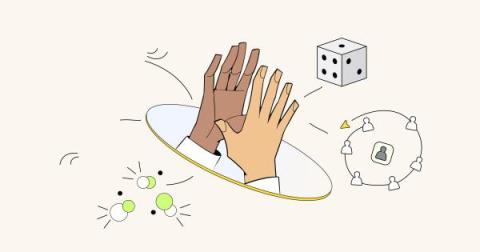
Think you can skip a holiday party with your distributed team? Think again. Remote workers reportedly admit that they feel less connected to their colleagues. That’s why festive get-togethers — which offer people a chance to forge deeper bonds and build camaraderie — are even more important. Your holiday celebration doesn’t need to suffer just because you’re apart.
The unfortunate legacy of employee monitoring has less to do with employee monitoring per se and more to do with management philosophies rooted in compliance and hierarchy. Early employee monitoring methods evolved from top-down, compliance-first management styles. As a result, the approaches relied on methods that weren’t exactly employee-friendly: Collaboration isn’t built in. Employees aren’t given agency. Well-being takes a backseat to hours worked.
As we slide into the fourth industrial revolution and the lines between physical and digital experiences fuzz, distributed work isn’t going away. Managers and employees need to trust each other, or we risk backsliding into the bad old days of panopticon monitoring. Ethical monitoring practices create an atmosphere of trust and psychological safety among team members. Employees who feel their privacy is respected are more likely to speak up, share ideas, and collaborate effectively.