

Product managers and prioritization frameworks go hand-in-hand like rice and beans, peanut butter and jelly, or bread and butter. We could go on with the food metaphors, but we think you get our drift: prioritization is a top concern for PMs. Whether it’s feedback, requests, or new opportunities, the backlog is a repository for everything you could be doing. But the age-old question persists: What should we be doing?
In the first part of the “Working Together, Remotely” series, we shared stories of Scorers who have had to face quite a few changes while working from home. Today, we will take a closer look at how our People Operations Manager, Annika, and Customer Onboarding Expert, Austin, have adapted and what has changed for them. The current situation continues to change the business landscape as we know it.
There are two types of people in the world. The first type thinks B2B customer support is a cost center, or a necessary expense for running a business. After all, having a support team is required for your product, and it’s just something you need to have. The second type thinks B2B customer support is a profit center. Support may be part of a successful business, but that’s because they are a part of a greater revenue generating team.
There was once a time when marketing was mostly about handing out flyers and placing radio adverts. Marketing has come a long way since then, and even digital marketing has been subject to evolution. Innovative marketing concepts like data-driven and personalized marketing are but few of the digital marketing trends explored by businesses and marketing agencies recently. With larger players now in the market, contemporary digital marketing trends are more in line with interactive marketing and AI.
More often than not, shoppers’ impressions of companies are based on interactions with support agents. After all, customers rarely interact directly with businesses outside of support calls—especially if the company is online-based. Your agents need the proper training and tools to handle those calls in a way that makes the customer feel heard and appreciated. Below are six call center training tips to ensure your agents can deliver a positive, helpful customer experience.
Loyal customers are the bedrock of any booming business. After all, loyal customers are repeat customers; they’re generally the most likely to promote a business on social media; they tend to report the highest levels of customer satisfaction; they have the lowest churn rate; and they can boost a company’s net promoter score. Customer retention is critical. But keeping customers happy and loyal for the long haul is easier said than done.
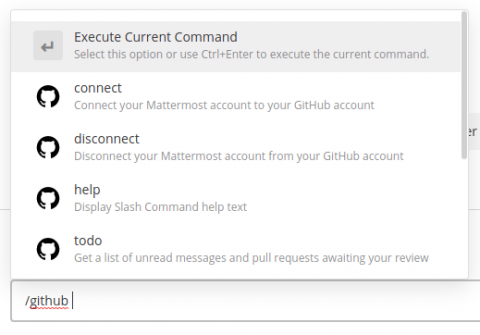
Mattermost 5.23 includes improvements that will help your team collaborate more effectively.