
Human brains are wired to process images 60,000 times faster than text. The age-old adage that “a picture is worth a thousand words” is apparently severely undershooting it. Not only that, but an image has the ability to instantly traverse cultural and lingual barriers. Heard of the painting The Starry Night by Vincent van Gogh?
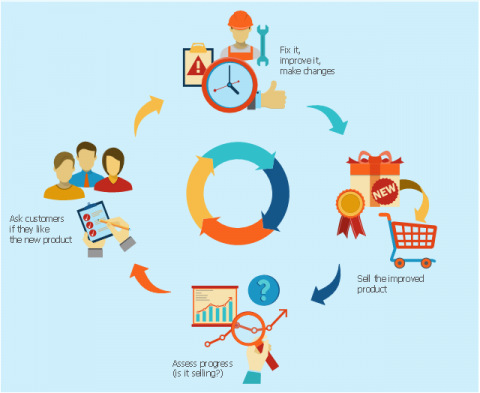
When you have access to customer data for every stage in the buyer journey, you are able to manage your customer lifecycle better. Therefore, it is important for you to understand the key difference between the buyer journey and the customer lifecycle, so that you can cater to your customer pain points and deliver a positive customer experience every single time.
Imagine visiting a particular restaurant once a month. One fine day, you are denied entry despite having made a reservation. The staff informs you that the restaurant is booked out and they are unable to find your reservation. This experience is likely to change your perception of this place and you might reconsider your next visit. But as you make your way out, the manager walks up to you and offers you their best table.
When a customer reaches out to your company with a question or problem, they expect immediate attention and prompt responses. In an ideal world, you’d be able to respond to each of them immediately. However, it’s not possible to meet customer expectations every single time. This means that for many customer support teams, there’s almost always a queue full of customer requests waiting to be attended to. So as soon as an agent finishes helping one customer, they move on to another.
Best Online Chat Software? We all know reaching out to prospective customers is the surest way to turn them into paying customers. Thankfully, there are many ways through which you can reach out to these buyers, such as through emails, phone, and social media. While these are all great ways, using online chats is your best bet. Research shows that chat software offers 73% customer satisfaction, while the rest offer about 44%.
More and more teams are choosing to opt for working remotely. While remote work has many benefits, there are also challenges. One of the biggest challenges is facilitating team collaboration. While video calls and meetings can help, it is important for your team to know dynamically what others are working on or how they are progressing on tasks. Similarly, no matter where you are, monitoring and managing customer requests and responding efficiently is crucial.