

Teams | Collaboration | Customer Service | Project Management

How To Manage A Sprint Cycle More Effectively

Sprint cycle is a special term commonly used in software development to describe timeboxed iterations through which a team creates and delivers a specific piece of work. Sprint cycle can last between two to four weeks. These shorter timeboxed iterations make it easier for development teams to understand and break down larger, more complex projects into smaller, manageable pieces. On top of that, Sprint cycles facilitate the creation of high-quality products.


Best Practices for Internal Project Workflow Management

Technology is getting better every day. Tech giants are looking to create a safer infrastructure for technology to survive and thrive. We all know how cybersecurity concerns hinder technological advancement. Today if a brand creates a reliable mobile app, they also have to worry about its security. Therefore, brands need to emphasize security and technology to facilitate a perfect user experience. So, what can we expect from the mobile app development trends of 2022?

5 Best Practices For Helpdesk Support Software

Helpdesk support software is used by organizations of all sizes to effectively manage support requests from customers. When support teams have access to the right tools, they can elevate customer experiences and inspire retention. Investing in robust helpdesk support software is a no-brainer for your organization. ‍ The question is, what are the best practices for implementing helpdesk support software? Typically, support teams already have firmly established workflows and processes in place.

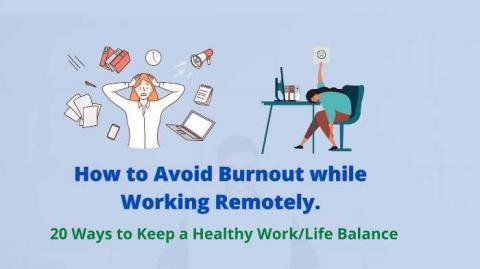
How to Avoid Burnout While Working Remotely: 20 Ways to Keep a Healthy Work/Life Balance

The recent covid pandemic has familiarised us with the term ‘burnout’ and remote work. With the sudden spread of a worldwide pandemic in 2020, even those who were not believers in the power of remote work had no choice but to join. Now, we are familiar with and feel comfortable working remotely.

9 Best PTO Apps To Stay Accurate When You Pay Time Off (In-Depth Guide)

Some employers think the battle is over when they settle on a PTO policy they like, but rarely is that the case. If you want to ensure that your business continues to grow, managing paid time off will become a balancing act between offering a number of hours that will enable you to attract high-quality talent, using a pto plan that’s easy for you (or your HR Department) to manage, and staying alert to make sure that no team member tries to take advantage of your paid time off policy.

CRM vs ITSM: What are the Differences & Similarities?

In the world of IT, it’s common to see the terms CRM and ITSM being thrown around without much explanation of what they are and what they achieve in the grand scheme of things. The truth is that these tools are integral to any company’s success and learning to identify what they are —and most importantly how they work, should clear up any doubts when trying to implement them in day-to-day IT operations.

The 6 Best Time Clock Software for Small Business Owners To Streamline Their Payroll

Small business owners work, on average, a whopping 52 hours a week. And, for nearly 90% of them, this is a fair price to pay to own and run their enterprise. But it is not the number of hours that make a successful business – but what these hours are dedicated to. And, successful small business owners know that there is a drastic difference between working “in” their business and working “on” their business!

7 Best Employee Time Clock Software For Small Business

Whether you are looking to establish the roots of a community-centered enterprise, or you are trying to expand your small business’s operations, your team represents your most important asset. And yet, according to new studies, hiring and retaining qualified candidates is the main challenge for over 90% of US small businesses. In part, this might be due to the fact that small businesses can only offer limited salaries and advancement opportunities.

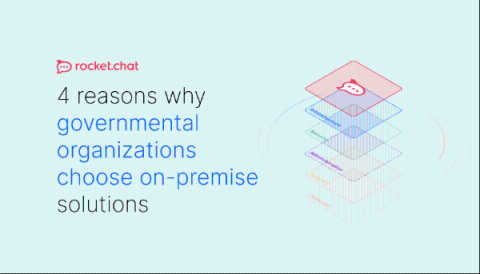
Why governmental organizations choose on-premise solutions

Governments and public sector organizations recognize the increasing need to protect their data. With the increase of cyber-attacks globally and growing demands from their citizens to protect their information, public sector organizations are more frequently moving away from cloud-based software toward on-premise solutions.