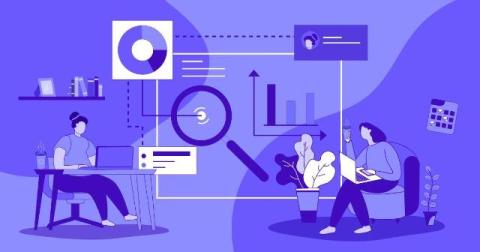
Choosing between cloud and on-premises time tracking? Compare cost, security, data residency, and IT capacity to find the deployment that fits your team.
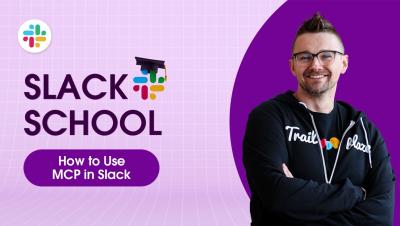
Hearing a lot about MCP (Model Context Protocol), but still wondering what it actually does? We’ve got you covered. In this episode, we’ll break down MCP showing you how it compares to standard APIs, how an AI agent uses an MCP server to connect all the tools you rely on, and how it all comes together to get real work done in Slack. Class dismissed!
Miro AI is more than a chatbot. It lives directly on your canvas and can generate Flows, Sidekicks, Prototypes, Docs, Diagrams, Sticky Notes, Tables, Images, and Mind Maps from simple prompts. In this video, we walk through every Miro AI capability so you know exactly what to reach for and when, whether you are running a sprint planning session, turning customer interviews into briefs, or generating an interactive prototype from a sticky note.
Six of the vendors behind openDesk, including Element, have formed Open Productivity: a joint venture that brings the sovereign digital workplace to businesses and critical infrastructure operators. openDesk was created for German public administration. It brings together established open source applications for documents, email, calendars, file sharing, knowledge management and secure real-time communications into a single sovereign workplace suite.
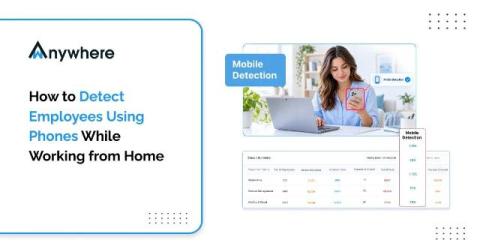
Personal phones are the biggest blind spot in remote work security because a phone camera bypasses every DLP, USB, and screenshot control. The most reliable answer to how to detect a mobile phone during work hours is AI mobile phone detection, which analyzes the webcam feed for phone-shaped objects, raises instant alerts, and logs evidence. Paired with a clear device policy, informed consent, and proportionate responses, it protects regulated data without turning remote work into surveillance.
A due diligence project is a structured review of a company, vendor, or partner before a major decision. Teams organize this background research at scale by doing four things: agreeing on scope first, splitting the work into owned workstreams, storing every piece of evidence in one consistent structure, and tracking risks and open questions in a shared workspace instead of scattered emails.
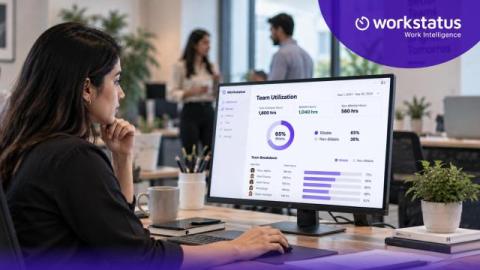
Your delivery team looks fully loaded. Timesheets come in complete. Projects are running. Nobody is sitting idle. Then the month closes, and the margin on a client project lands below plan. Nothing obvious went wrong. The team worked hard. The client got the work. Still, the numbers do not match the effort. This happens because a full day and a billable day are two different things.