
Teams | Collaboration | Customer Service | Project Management

Guardrails Are Not Governance: Online Cyber Security Lessons For AI

Artificial intelligence has quickly gone from being a business experiment to a core part of many enterprise workflows. Analyzing key future AI predictions shows why technical leaders must move past simple content filters to handle increasingly autonomous systems. But as businesses use autonomous models in important parts of the business, technical leaders should not mistake basic safeguards like prompt blocklists and output filters for full enterprise governance.

AI Agent for HR in Microsoft Teams: Setup, Use Cases, and What Employees Experience

Microsoft Teams is already where many employees communicate, meet, share information, and get work done. But HR support often sits somewhere else. An employee may need to search SharePoint for a policy, open the HR portal to check leave, log into another application to submit a request, or message HR because they cannot find the right answer. An HR AI agent in Microsoft Teams can make that experience much simpler.

The AI SDLC transformation playbook

Teams across the industry are sprinting to reinvent their software development processes with agentic AI. Yet, navigating the fast-changing landscape of tools and opinions can be daunting for even the most AI-forward organizations. This guide shares Atlassian’s approach and best practices, informed by our own internal AI SDLC transformation and collaborative learnings from top engineering organizations.

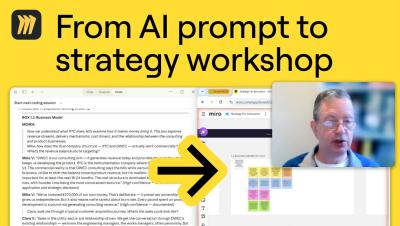
Claude + Miro MCP in Action: AI-Run Strategy Workshops

David Balkind runs strategy workshops without booking a room full of people. As a Specialist Innovation Advisor, David built what he calls a Strategy Café Engine — a setup where Claude, connected directly to his Miro board through MCP, runs full multi-session strategy workshops. Claude plays the facilitator (David calls it MOIRA), works through a structured innovation canvas box by box, and models different stakeholder perspectives — founder, funder, customer — to pressure-test the strategy from every angle. David checks in at key checkpoints while the canvas builds itself live on the board.

Hybrid Remote Meaning: What It Covers, and What It Hides

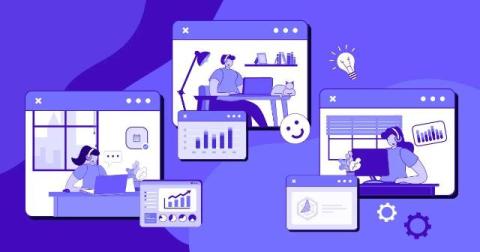
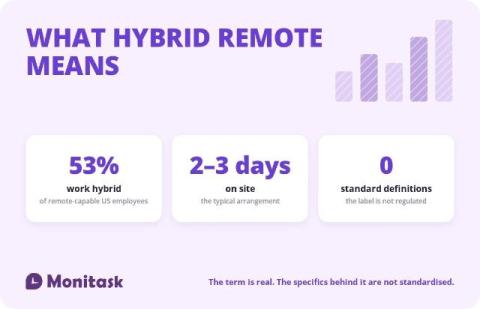
Hybrid remote means an arrangement where an employee works part of their time in an office and part somewhere else, usually home. In most companies that works out to two or three days on site. That is the definition, and on its own it is almost useless. “Hybrid remote” in a job listing can mean four days in the office and one at home, or two weeks a quarter on site and the rest anywhere in the country. Both are advertised with the same two words.

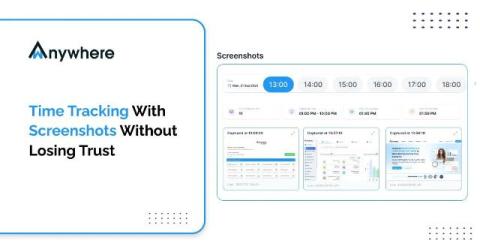
Time Tracking with Screenshots Without Losing Trust

Time tracking with screenshots pairs logged hours with periodic visual snapshots of a screen, and it earns adoption or resentment based entirely on implementation, not the technology itself. Companies use it to verify work, support client billing, close remote visibility gaps, and investigate exceptions, but a screenshot only shows what was visible at one moment, never actual productivity.

AI agent for benefits enrollment: Answering employee questions at scale

“What's the difference between our PPO and HDHP?” “Can I add my spouse?” “How much can I contribute to my HSA?” “When is the deadline?” “Did my enrollment actually go through?” As you see, open enrollment creates a predictable surge of questions for HR.

AI Agent for HR Self-Service: How Employees Get Answers and Take Action Without Contacting HR

Employee self-service was meant to make HR easier. But in many companies, employees still have to jump between portals, policies, forms, and HR systems just to get one simple thing done. Need to check a leave balance? Find the HRIS. Need a benefits answer? Search SharePoint. Need to know whether a request was approved? Open another system or ask HR. That is self-service, but it still puts a lot of work on the employee. An AI agent for HR changes that experience.