
The days when employees could sit in an office 9-to-5 are long gone, especially in the big cities. Managing remote employees is not the only challenge for IT companies, the pandemic birthed another horror for them and that is the hot topic of the town, Employees Moonlighting. Studies show that the workers engage in freelance or independent work at least part-time for additional income. Facts say 75% employees considered moonlighting and out of them 50% were actually involved in this practice.
Since 2020, the outsourcing sector in the Philippines has witnessed a massive shake-up, and recent regulatory changes mean the industry will never be the same. We explore the winners and losers of a recent decision by the Philippines Government to allow outsourcing firms to keep tax perks while enabling 100% of staff to work-from-home (WFH).
Companies know they need an adaptable, diverse and energized workforce — and that flexibility is key to retaining, and competing for, top talent. While remote job listings globally have more than doubled, employers are still catching up to employees’ expectations. For instance, many US workplaces only allow employees to work remotely some of the time, even though, when offered—almost everyone jumps at the opportunity.
Remote working has become a global norm since the pandemic. Managing remote teams and getting the best out of them requires a completely different management style, and it’s something enterprises are still trying to perfect. Working remotely was a new experience for most people. It was the opposite of what people were used to – the routine of commuting to the office, working fixed hours, meeting peers in person, and so on.
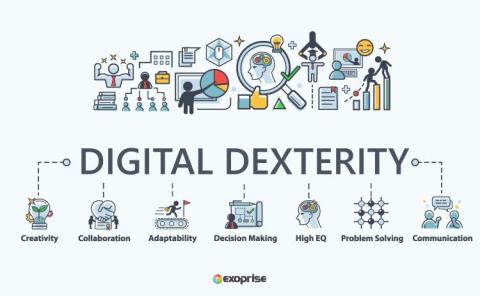
The leap to remote work happened nearly overnight with the pandemic, and it’s clear that hybrid work and digital dexterity is the way of the future. As a result of this shift in the way we work, companies have invested in new technologies to adapt to the growing remote world, with 69% of companies planning to increase their investment in digital tools even more in 2022. Additionally, over 90% of businesses strive to implement hybrid work environments.