Your team is spread across cities, time zones, maybe even continents. Here’s exactly what software they need to work like they’re sitting in the same room. Written by: Sagar Modi.
There is a quiet, almost embarrassing assumption buried inside most corporate motivation programs – that people work like vending machines dispensing snacks. Insert money, press the right button, obtain the desired output. It feels logical. It even works, up to a point. The problem is that employees are not vending machines, and the motivational statistics from 2025 and early 2026 make that clearer than ever.
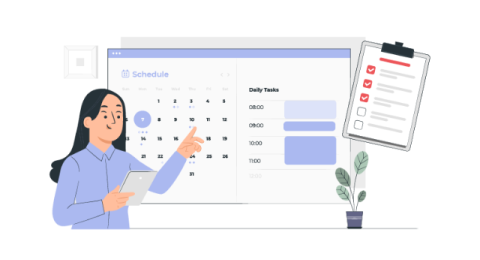
Time management skills are the practical abilities people use to plan, prioritize, organize, and complete work effectively. In practice, these skills help managers and professionals decide what to do first, stay focused, estimate time realistically, and maintain structure across busy workdays.
Sprint planning tools: Summary & key takeaways Sprint planning tools are apps that help you turn a backlog into a committed sprint plan, then track delivery with boards, capacity signals, and sprint reporting. In this guide, I’m comparing eight popular sprint planning tools, including where each one shines, where it gets in the way, and which teams I’d actually put it in front of.
Agency resource management: Summary & key takeaways If you run an agency long enough, you learn this the hard way. Resource problems rarely look like resource problems. They show up as missed deadlines. As small client requests that quietly take over the week. Resource management is not a spreadsheet task. It is a system for how your agency runs. When it works, delivery feels calm, clients get what they were promised, and leadership can plan ahead with confidence.
Quick overview Data accuracy is important because it ensures the information in reports, dashboards, and analytics reflects what is actually happening across your operations. With reliable data, you can make better business decisions about capacity planning, resource utilization, and process improvement while reducing reporting errors and improving efficiency.
Businesses today need simple ways to ensure company policies are followed without constant supervision. As teams become more distributed and digital tools dominate daily workflows, it becomes harder for managers to detect small issues early. Platforms like We360.ai help organizations monitor productivity, analyze work patterns, and identify potential policy violations before they turn into serious operational problems.
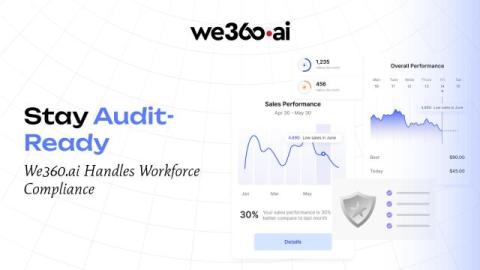
It's more daunting than ever to stay compliant in the changing regulatory environment. This means carrying out audits every other while to understand the company's standing. To stay audit-ready, organizations must continuously monitor staff activity, adhere to industry rules, and keep accurate records. Consequently, if you keep track of workforce compliance, you can avoid missing deadlines, failing to fill out the right papers, and paying more fines.
Every day, your agents have hundreds of conversations that shape your company’s reputation. Some are stellar, some are adequate, and some… well, let’s just say they’re costing you business. But how do you know which is which when you can only listen to a fraction of calls? That’s the call center quality dilemma. You can’t improve what you can’t measure, but you can’t measure everything when you have limited time and resources.
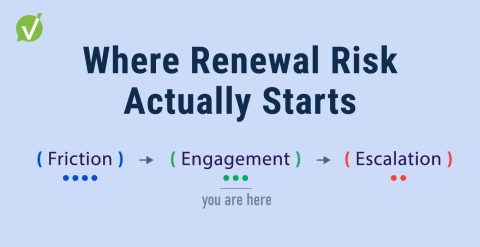
Nothing looks wrong. No escalation. Everything is still “green.” And yet — something is changing. Ticket volume appears stable. The account is still marked “green.” No formal escalations have been raised. And yet something feels different. Response times stretch slightly. Tickets reopen more often. Collaboration becomes thinner. No single interaction signals churn. But the pattern is forming. In growing service organizations, renewal risk rarely begins in pipeline reports.