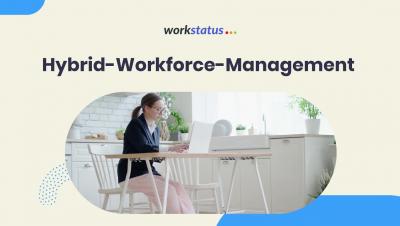


In today’s fast-paced business world, companies are constantly looking for ways to improve their operations and increase efficiency. One of the most popular solutions for achieving this goal is adopting a hybrid work mode. This approach combines traditional office-based work with remote or flexible working options, allowing employees to balance their professional and personal lives more effectively.
Before the pandemic, the term ‘Hybrid Work’ was in theory. As COVID-19 has changed the work culture totally upside down, companies going fully remote work policy have experienced the pros and cons of in-office and remote work. Therefore, over 90% of mid-size companies are moving to hybrid work culture.
A guide to the unwritten rules of hybrid work.
The emergence of hybrid as the default way of working within the corporate world is one of the most important and long-lasting changes driven by the COVID-19 pandemic. In theory, at least, it’s a welcome change for employees, who have expressed a preference for hybrid models. Chief among the reasons employees give for this preference is the ability to balance the convenience of remote work with the collaborative, social, and cultural benefits of working in person.
In today’s rapidly changing world of technology, employers are facing more challenges than ever to keep up with the demands of their consumers and employees. One of these challenges involves understanding which working conditions best suit the software developers and how to manage them accordingly.
In an era where people are more connected than ever, the need for face-to-face meetings has increased. But with the increase of global workforce and remote teams, it is often difficult to find a time when everyone can be in the same place at the same time. This is where hybrid meeting solutions come in.
The pandemic has forever altered ways of working for many, and organizations continue to adapt to this new normal. For product leaders, this means continuing to develop innovations at lightning speed while also navigating the needs of hybrid teams. Better yet, leaders need a clear understanding of the current hybrid landscape — including the top weaknesses and gaps in existing processes, and best ways to turn talk into action. The good news? Miro is here to help.