

Teams | Collaboration | Customer Service | Project Management

"You Should Be A Little Uncomfortable": How Cursor Is Navigating the New Shape of Product Craft

Every week, it seems like the rules change for building products. We’re all figuring this out in real time, and one of the best ways we’ve found to do that is to sit down with other leaders who are in the thick of it. That’s why Atlassian recently started a series called AI Talks at our San Francisco offices with senior leaders building AI products. We break down what’s working, what’s broken, and what feels uncomfortable.

The future of Jira isn't just tracking work. It's delegating it.

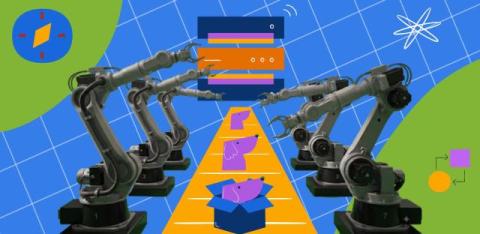
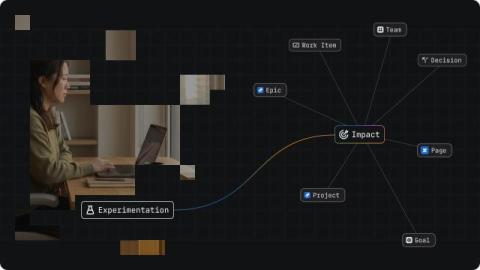
For a long time, Jira was where you went to track work. You updated a status, closed a ticket. Something important has shifted now that agents can be assigned to work items. Jira is still a record of what happened, but now it’s something else too: a place where work can move between humans and agents. That shift got me thinking. What if I leaned into it fully and ran an experiment? What if each stage of the SDLC had its own specialized agent and the board itself handled the routing between them?

How we're evolving Jira for AI-native software development

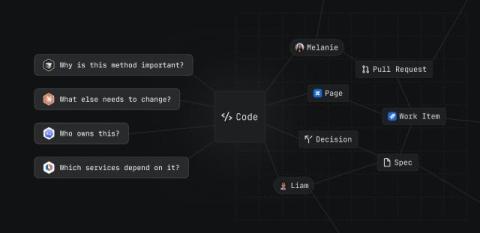
Whether I speak to customers or Atlassian’s own engineering teams, the message is consistent: the unprecedented adoption of powerful coding agents has transformed software development, but the hard parts of delivering software are…gasp…still pretty hard. Teams still have to decide what to build, and why it should exist. They need to understand the system they’re changing and which constraints matter.

From tool to teammate: How one Atlassian team made AI a real coworker

In Q4 FY26, Atlassian’s People Insights (PI) team stopped treating AI as a productivity add-on and committed to something harder: fully agentifying its operations—giving AI persistent access to the team’s context, data, definitions, and workflows so it can act as a genuine collaborator rather than a smarter search engine.

New research reveals how AI is making jobs bigger

When a tool can do in seconds what used to take hours, it’s natural to wonder if there will be any work left for humans. But new research from Atlassian’s Teamwork Lab suggests the opposite: Rather than shrinking an employee’s remit, AI appears to be expanding both the breadth of what employees take on and the depth at which they operate.

What 5M+ daily MCP tool calls taught us about the future of AI at work

Less than six months ago, the Atlassian Rovo Model Context Protocol (MCP) server went GA, giving Claude, Cursor, and every major AI agent direct access to Atlassian for our customers. Today, over one million users trust it every month to do real work through agents. But that number isn’t the story. The story is what’s happening inside those interactions: how AI agents are actually being used at enterprise scale, and who’s getting the most value.

Secure AI adoption with data loss prevention (DLP)

AI makes your organization’s knowledge easier to find and use. That’s the whole point. But it also means sensitive data moves faster, surfaces in more places, and becomes harder to track. The pressure to act is real, but the playbook isn’t new. You still need to know where sensitive data lives, govern how it’s being used, and prevent it from unauthorized exposure. AI is now giving you a reason to revisit your data security posture and make sure it’s strong enough to keep up.

How Atlassian and Dropbox are driving effective AI transformation

Adopting AI technology without an effective strategy is costing the Fortune 500 an estimated $161 billion a year.* Enterprises are making big investments in this space but are struggling to realise the returns. We know the technology is designed to make businesses more efficient, but we’re still seeing the opposite because most businesses are treating AI as purely a technology transformation. That’s where they get stuck.