
Teams | Collaboration | Customer Service | Project Management

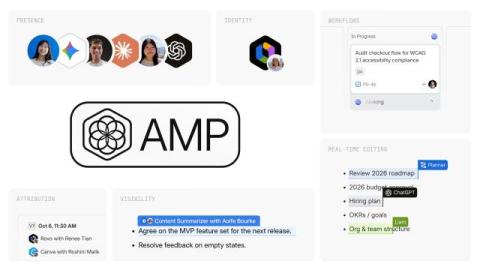
The Atlassian platform is for multiplayer human-agent work

Over the last two decades, millions of teams have run their work on Atlassian, writing code, shipping products, and supporting customers across billions of workflows. Our platform is also where they make the hard calls, prioritizing which features to build, deciding which customer problems to chase, and choosing where to invest their resources.
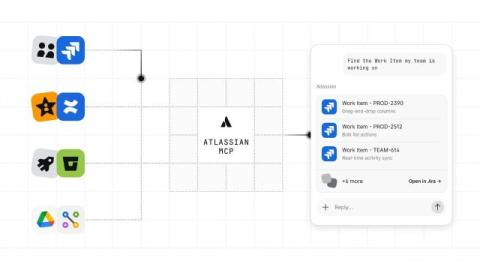

Atlassian MCP brings more of your work within reach of any AI agent

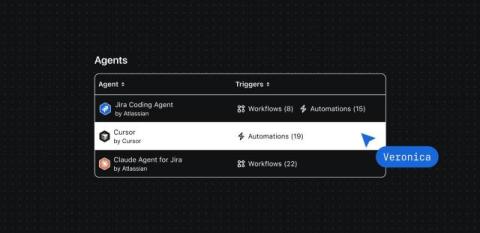
When we delivered Atlassian MCP a little under a year ago, the idea was simple: let the AI tools your teams already use – Claude, ChatGPT, Cursor – reach the work that lives in Atlassian. The response was immediate. Now, we’re seeing more than 15M calls a day as it’s become the first thing teams reach for when they want to connect AI to their work. But teams have made it clear they want more. More products, more context, and more of the whole job done.

Why context is the biggest unlock for your AI strategy

What context really means for agents, why models aren’t enough, and how to engineer context your teams can trust. Over the coming weeks we’ll be sharing more about context in this content series — including how to engineer context as a product, what a context graph actually is, and what it takes to build one that agents can trust. You can also learn more about how Atlassian is harnessing context in our latest report, Leading with Context.

Don't outsource the spark: how to balance human thinking and AI

Brainstorming at the start of a project is hard. Who hasn’t stared at a blank document, wondering how to begin? Reaching for AI can feel like an easy way to get started, especially at first. But at Atlassian, we believe that AI should amplify human judgment, not replace it. The Teamwork Lab wanted to investigate when it’s most effective to introduce AI into the brainstorming process. Does the timing of AI introduction affect a team’s creativity?

How Content Technology is powering Atlassian's AI quality

AI can sound confident about almost anything. The challenge is making sure it’s right. At Atlassian, Content Technologists are building the systems, standards, and structures that help AI deliver better outputs, removing the burden from our customers of knowing what information to trust.

Giving AI agents design system context from the terminal: what we learned building a CLI

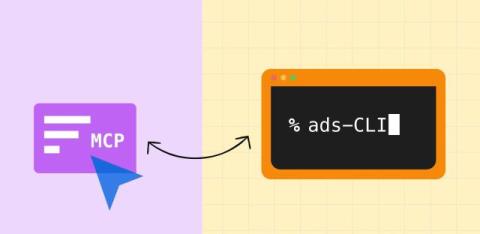
Earlier this year, we wrote about turning Atlassian Design System guidance into structured content that AI agents can actually use. Since then, agents have reached that content through our MCP server tools and an agent skill. We recently added a third distribution method: a command-line tool. The first question from our own engineers was a fair one: Why ship a CLI when you already have an MCP server?

From plan to presentation in minutes: How Gamma brings your Atlassian work to life

Atlassian and Gamma are now deeply connected, so your work, and the context behind it, moves with you from plan to presentation. AI is supposed to understand your work. But it can only see what it can reach, and right now, your work is scattered. Updates live in slide decks, details hide in Jira tickets, decisions are buried in Confluence. We expect AI to “just know” how it all connects, then wonder why the output feels generic.

We're bringing governed agent loops to the AI-Native SDLC

Here’s a stat that’s been rattling around in my head. In our 2026 AI SDLC study, 94% of engineering leaders told us they’re using AI, but only 6% have the systems to actually scale it across their whole software lifecycle. Almost everyone is playing with agents, yet almost no one can let agents run at scale without things breaking.

AI made you faster. It didn't make you better.

One point four million real workplace conversations with AI were analysed last year. About 5% of people were using it in ways that improved the quality of their work. The “Are you using AI?” conversation is over. Nobody won it. We just stopped having it. But the question we skipped is, “Is anyone reading this stuff before it gets sent?” Increasingly the answer is no, and we can all tell.