
Teams | Collaboration | Customer Service | Project Management

What Employees Are Okay With When It Comes to Monitoring

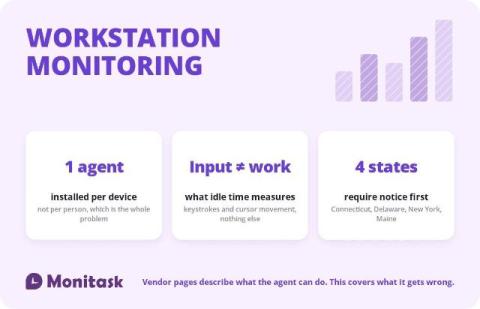
Employees accept monitoring when it's disclosed upfront, aimed at a stated purpose, and limited to work activity. They reject it when it's hidden, vague, or used to punish small mistakes. The rest of this guide breaks that answer down with the data, the law, and the exact line between the two.

Apploye July 2026 Feature Release: Daily Limit, Time-off, MFA, Profile UI changes and more

Here are the key features we shipped in July for Apploye! In this update, we’re introducing Multi-Factor Authentication (MFA) & Passkeys, Global Tasks, Daily Tracking Limits & Weekday Blocking, Time Off management updates, Profile & Email UI redesigns, and Desktop App v4.5 with stability fixes. Timestamps: Other Changes.

Deep Work vs Busy Work: What Drives Real Business Outcomes?

A ten-person team can log the same 400 hours every week. One month, they ship two client projects early. The next month, they barely close one. Same hours. Different outcomes. The difference is not effort. It’s where the hours go: deep work or busy work. This isn’t a productivity problem. It’s a margin problem. As per Gallup’s latest global workplace data, employee engagement fell to just 20% in 2025, the lowest in five years.

What IT Leaders See That Others Miss: A Practical Session on Visibility, Capacity, and Delivery

Every IT leader has lived this moment. The week ended; everyone was visibly engaged, meetings happened, tickets moved, and projects progressed. Then someone asks, “What exactly got accomplished this week?” and the answer isn’t as clear as it should be. For service businesses, this is not a small gap. When work hours are not connected to project outcomes, small inefficiencies build up quietly, and they rarely stay small for long.

Delivery Visibility vs. Employee Surveillance: What Actually Improves Project Performance?

Organizations nowadays have access to more workforce data than ever. Many organizations use employee surveillance software for tracking employee activity. This software usually tracks activity, work hours, screenshots, and online behavior. Such data is used by businesses to understand how employees spend their time. According to Microsoft’s Work Trend Index, the average employee receives 117 emails a day and is interrupted every two minutes by meetings, messages, or notifications.