

Teams | Collaboration | Customer Service | Project Management

Wire Apps SDK: Now Available in JavaScript and TypeScript

Wire Apps SDK let developers build automations and integrations that run as full participants inside Wire’s end-to-end encrypted conversations. Until now, that meant building on our Java/Kotlin SDK. Today, we’re extending that same capability to JavaScript and TypeScript, giving teams the freedom to build in the language that fits them best.

WhatsApp in Social Care: The Compliance Risk and What Replaces It

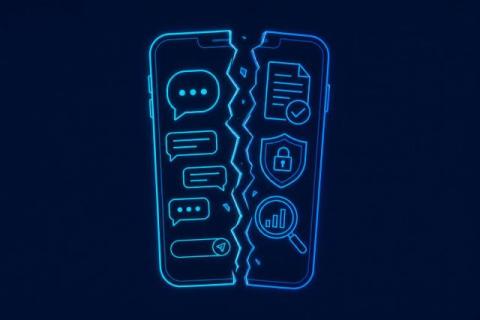
It's a familiar story. A social worker gets a message from a client on a Saturday. A family needs to move a home visit. A colleague forwards a photo of a document that has to be dealt with before Monday. None of it goes through an official system. All of it goes through WhatsApp, because that is where the client already is, and because it works.

How Secure Team Communication Supports Better Workplace Collaboration

Effective place of work collaboration relies on genuinely replacing messages. Modern businesses want communication systems that help personnel share facts securely, coordinate projects, have conversations, and get access to vital archives except dropping manage over enterprise data. As groups turn out to be more dispersed and agencies cope with more and more sensitive information, impenetrable communication has come to be an essential part of day-to-day operations.

How Endpoint Monitoring Software Helps Detect Suspicious Employee Activity

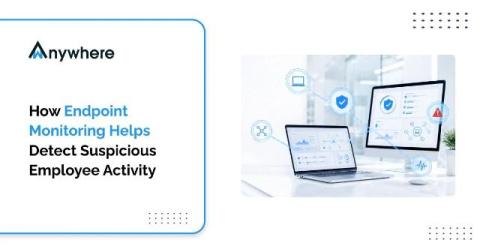
Endpoint monitoring software detects suspicious employee activity by recording device level behavior and comparing it against a baseline of what normal looks like for that user, role, and team. When a laptop starts behaving differently, an unfamiliar network connection, an unapproved application, a large file transfer at 2 a.m., the system flags the gap before it becomes a breach.

Cybersecurity Risk in Digital Collaboration: What It Is and How to Manage It

Cybersecurity risk in digital collaboration is the exposure to harm or the potential loss that comes from using messaging, calling, conferencing, and file-sharing tools to run day-to-day work. It covers the potential for data theft, unauthorized access, service disruption, and compliance exposure tied to a compromised, misconfigured, or ungoverned collaboration tool.

Critical National Infrastructure: Security, Threats & Protection

Critical national infrastructure covers power grids, water systems, healthcare, financial networks, communications, transport, and other infrastructure where disruption can have serious consequences for the nation. Protecting these systems means knowing what infrastructure is critical, how different sectors depend on each other, and which threats could interrupt essential services.

HIPAA-Compliant Texting: Rules, Risks & Best Practices

Text messaging has become one of the fastest and most convenient ways for healthcare professionals to communicate, and that speed is exactly why it creates compliance risk. Most consumer apps are not HIPAA-compliant, and texting through those apps creates risks for your organization. But that doesn’t mean you have to skip texting entirely.

Understanding the Privacy and Security Implications of OpenAI's Apple Messages Plugin

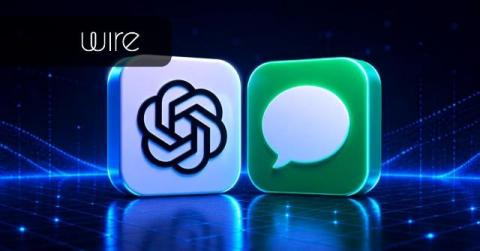
OpenAI's new Apple Messages plugin gives ChatGPT access to the Messages application on a Mac. Once enabled, users can ask ChatGPT to find conversations, summarize them, draft replies, and send messages. That has understandably raised questions about what it means for iMessage privacy. The starting point is understanding what the plugin does and, just as importantly, what it doesn't do.