
Teams | Collaboration | Customer Service | Project Management

Workstation Monitoring

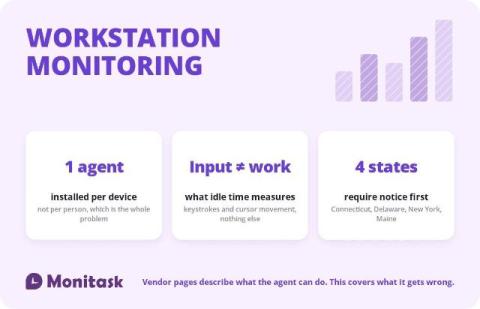
Workstation monitoring is the device-level layer of employee monitoring: a software agent installed on a computer that records application and website use, active and idle periods, and optionally file events and screenshots. Every product page in this category explains that the agent is lightweight, deploys by Group Policy and keeps recording when the machine is offline. All true.
Workforce Scheduling

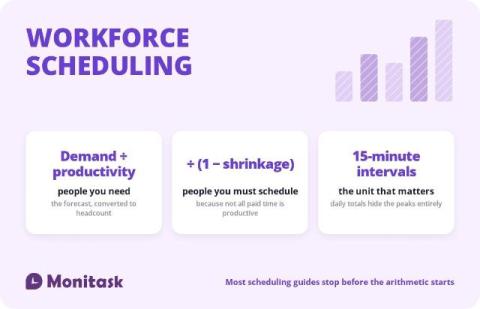
Workforce scheduling is the process of matching staffing to demand across time, within a labour budget and whatever rules apply to your workforce. Every article on the subject agrees on that definition, lists the same components, and then moves to software. The part that decides whether a schedule works is quantitative, and three numbers do most of the work: Miss the second one and you will be understaffed by roughly a quarter every single week while your headcount looks correct on paper.

Construction Timesheet

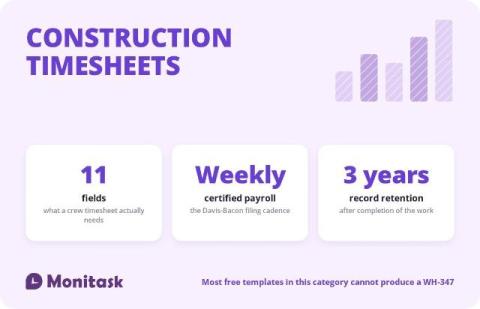
A construction timesheet records who worked, where, on what, and for how long. On a private job that is a payroll and job-costing document. On a federally funded or federally assisted job it is the source data for a weekly certified payroll report, and it needs two fields that almost no free template includes: work classification and cost code. The template below has both, splits straight time from overtime, and comes with a checklist of every field Form WH-347 requires.

Payroll Reminder

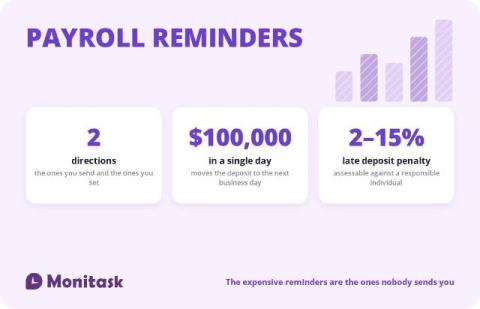
Search for payroll reminders and you get email templates for chasing timesheets. Those matter, and they are the cheap half of the problem. If a timesheet arrives late, payroll is inconvenienced. If a tax deposit arrives late, the penalty runs from 2% to 15% and can be assessed personally against the person responsible. Payroll reminders run in two directions. Outbound are the ones you send to employees and approvers.

Project Plan

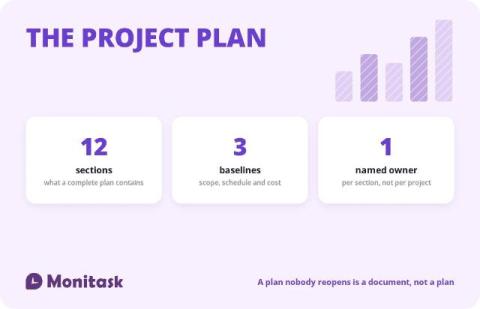
A project plan is the document that records what will be delivered, by when, by whom, at what cost, and what happens when any of those change. It is the reference the team and the stakeholders return to when there is disagreement, which is the only test of whether it was worth writing. Two things get conflated constantly and cause most of the confusion around this topic. A Gantt chart is not a project plan — it is the schedule section of one.

Non-Billable Hours

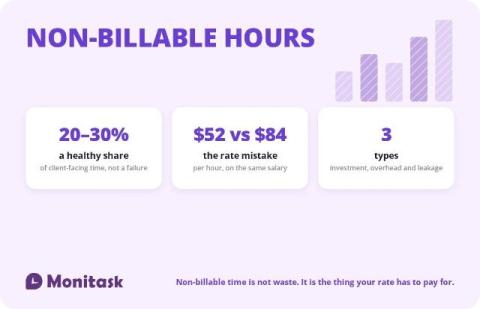
Non-billable hours are hours worked that cannot be charged to a client: internal meetings, admin, training, business development, proposals, and project overruns you chose not to invoice. Every guide to this subject treats non-billable time as a problem to minimise. That framing causes two expensive errors. It leads firms to price as though non-billable time does not exist, which understates the break-even rate by around 60%.

How Many Pay Periods in a Year? Every Schedule, and the 27th Payday Problem

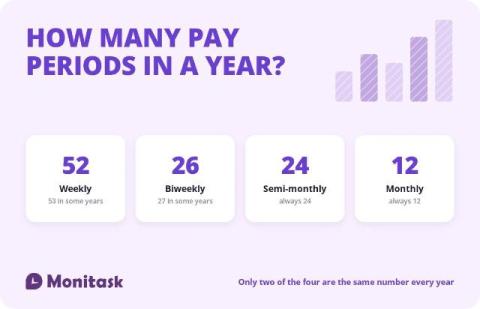
A year holds 52 weekly pay periods, 26 biweekly, 24 semi-monthly, or 12 monthly, depending on the schedule you run. Two of those figures are fixed and two are not. Semi-monthly and monthly are anchored to calendar dates, so they deliver exactly 24 and 12 every year without exception. Weekly and biweekly are anchored to a day of the week, and because 52 weeks covers only 364 days, they drift. Every 11 to 12 years the drift produces an extra cycle.

California Overtime Law

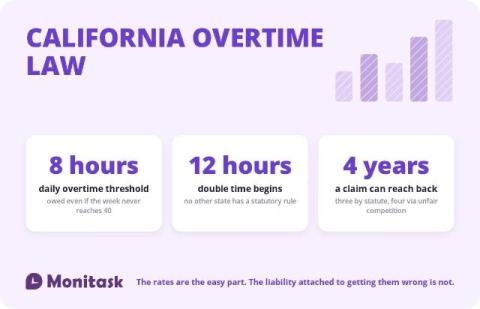
California overtime runs on the workday, not just the workweek. Cross eight hours in a single day and overtime is owed even if the week never reaches 40. Cross twelve and double time begins. California is the only state with a statutory double-time rule. Most guides stop once the rates are explained. That is the wrong place to stop, because in California the underpayment is rarely the expensive part.

User Activity Monitoring

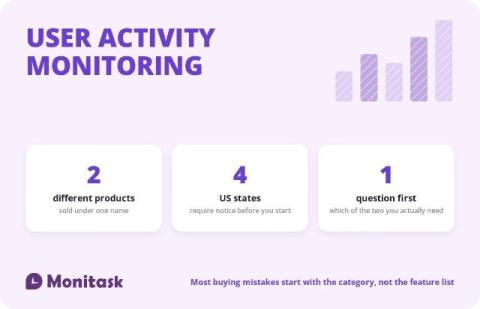
User activity monitoring, or UAM, is software that records what people do on company devices, applications and networks. That definition is accurate and it hides the thing that matters. Two distinct product categories are sold under this name. One exists to detect insider risk: it watches data movement, records sessions, and produces forensic evidence. The other exists to show how working time is spent: it records application and website usage and activity levels, and produces reports.