I never realized that meetings became punishments, rather than a collaborative space. The energy-sucking conferences were beginning to crush my team’s spirits.
We are working in an era of globalization. Businesses have an international workforce. That brings diversity in every aspect of the organization. That means different cultures, backgrounds, and perspectives to summarize. Moreover, on a basic level, if an organization has male and female employees working together, it’s a diverse workplace. However, why is diversity important in the workplace?
In this video, learn how to add clients in Apploye and grant them access to the reports or projects you want them to view. We’ll walk you through how to create a client profile, assign projects, manage permissions, and share controlled access securely. Perfect for agencies, service providers, and teams who work with multiple clients and need clear visibility into work hours and project progress. Apploye makes client management simple, secure, and transparent.
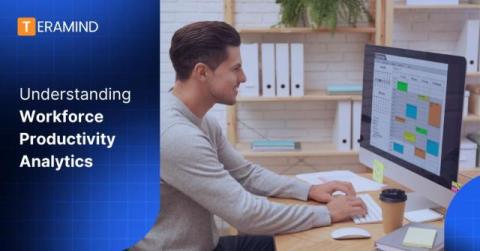
Are you effectively measuring and optimizing your workforce’s productivity? If not, there’s a powerful tool at your disposal: workforce productivity analytics. This approach, which involves systematically analyzing employee performance data, can provide valuable insights and drive significant improvements in efficiency and output for your business.
Apploye Manual Time Entry Tutorial | Step-by-Step Guide Forgot to turn on/off the time tracker app? Need to log work hours manually in Apploye? This tutorial will show you exactly how to use the Manual Time Entry feature in Apploye. Whether you need to add missed hours, correct an entry, or track offline work, we’ve got you covered! What You’ll Learn: How to enable & configure manual time entry Step-by-step process for adding manual time Managing & editing manual time logs Best practices for accurate time tracking.
Manual timesheets don’t slow you down because they’re hard. They slow you down because they break your focus. Most teams in IT services, agencies, BPOs, and operations face the same problem: This isn’t a “productivity” problem, it’s a visibility problem. What if your time could track itself? That’s what our new Work Intelligence system does. It watches work in the background and builds a full, fair, and clear timesheet for you. No typing. No guessing. No stress.
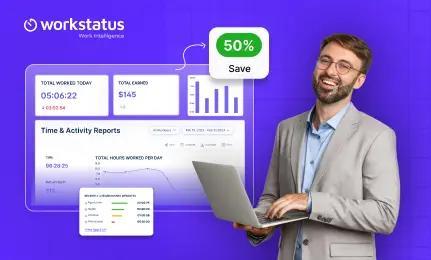
Are you using different tools for time tracking, task management, productivity monitoring, and payroll? If yes, then you’re likely facing these challenges: But what if one tool could do all of this for you? In this blog, you’ll learn how using one simple system can save up to 50% of your tool costs and make your work much easier. Let’s see how!!
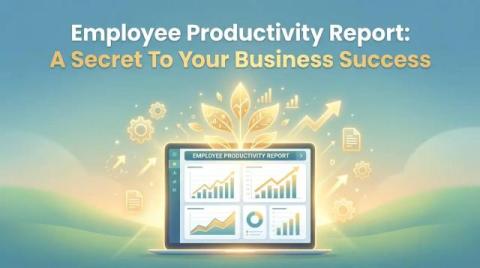
Are you a small business owner or a growing team that wants to improve employee performance? Then it’s time you introduce your business system with employee productivity reports. For managing individuals' performance to mapping your business goals, measuring employee productivity are the fundamentals of how your business works. And to ensure your business success, why should you create one?
The scene of our office was like i) everyone drowns in their own work all day ii) they rarely communicate with others except for work purposes iii) they are all in competition to do more work!! Firstly, this was not a big deal for us. But over time, we started noticing how everyone was burning out silently. And to save the team, it was necessary to reshape how the team thinks to work! So, what was our strategy to overcome this? Let’s dive into the journey of turning business into productivity.
Your daily productivity levels depend on how effectively you manage your time. Task and time management tools aid you in perfecting this requirement. These tools keep track of your work hours, ensuring that you focus on work that matters more. Depending on the various business, personal, and professional requirements, there are many such tools available in the market. However, deciding which one is ideal for you can be overwhelming.