
Teams | Collaboration | Customer Service | Project Management

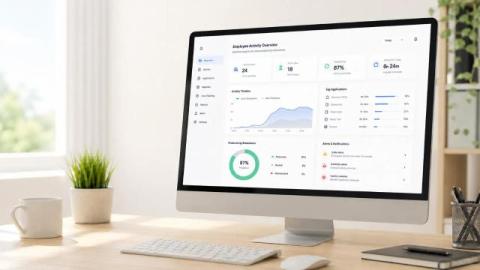
Turn Workforce Data into Smarter Decisions with Al-Driven Workforce Intelligence

Are you drowning in data but starving for clarity? In this insightful webinar, Yug Malik and Shivangi from Time Champ explore how organisations are shifting from reactive management to proactive leadership using AI-driven Workforce Intelligence. Most leaders today deal with "The Illusion of Control" dashboards full of green lights while teams are silently building toward burnout and attrition. We break down why traditional tracking isn't enough and how to spot the "hidden patterns" of work before they impact your bottom line.

Productivity Leaks: Where Your Team's Time Really Goes

Hidden time leaks simply take a toll on your team’s productivity, lowering it and slowing down the pace. Even though modern workplaces are busy, efficiency doesn’t match expectations. So, where does your team’s time really go? Written by: Chandrika Rathore.

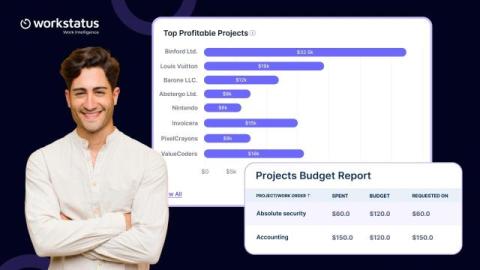
"Your Tools Are Powerful. So Why Are Decisions Still Reactive?"

Your team uses Jira. They communicate on Slack. Sales tracks everything in Salesforce. So why do leadership decisions still feel reactive? If you’re using multiple tools but still struggling with visibility, this video explains why. In this video, you’ll learn: Workstatus doesn’t replace the tools your team already knows. It connects them, so you can see how work actually flows across projects and teams.

Cloud Monitoring Explained: Features, Benefits, and Best Practices

Clouds surround us, both in actual reality and virtual reality. Just like real life, we need cloud-based monitoring for our apps, data, and websites. With the massive tech boom, teams can hardly monitor what’s going on in their cloud environment. Delays, downtime, and security risks slip through the cracks. That’s exactly when you think of monitoring, especially for your cloud infrastructure.

Trello + Workstatus for Agencies Managing Multiple Client Boards

You already use Trello to see what needs to be done, but wouldn’t it be even better to know how work actually happens across all your client boards? That’s where Workstatus steps in as the missing layer of intelligence. The Trello + Workstatus integration doesn’t just organize work; it turns everyday tasks into clear, business-ready insights.

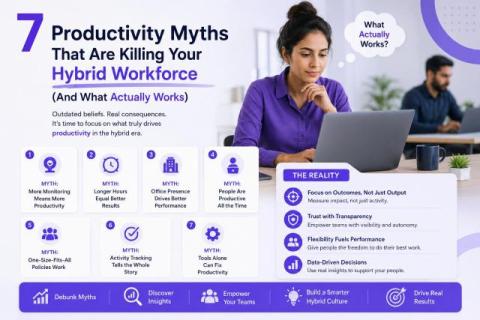
Employee Monitoring vs Performance Management: Which is More Useful?

Most companies mismatch employee monitoring with performance management. As a result, it leads them to wrong strategy developments and a conflicted employee management system. In this blog, we are going to discuss the aspects of these two confusing terms through monitoring vs performance management. So let’s begin–

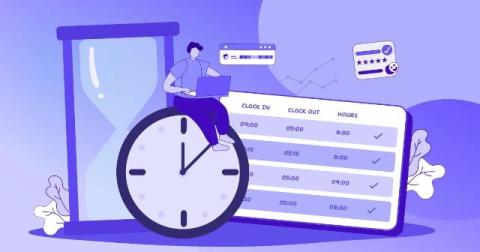
Why Manual Time Tracking Fails for Remote Teams?

Tracking the time of remote teams is a complex task. Manual time tracking fails here for a lot of reasons, including different time zones, human errors, and flexible work hours, which leads to inconsistent data. Businesses need a smarter and automated solution. Written by: Sagar Modi.

How To Measure Operational Efficiency in 2026

Organizations that aren’t committed to continuous improvement risk becoming static or being left behind. Waste and inefficiencies happen, of course, but organizations motivated to reduce or remove them will have a better chance of succeeding in a competitive marketplace. Implementing a successful operational efficiency plan can help your company reduce waste and increase productivity without sacrificing the quality of your product or service.

Transparent Teams Win: Unlock Insights with We360.ai 2026

In 2026, organizations are not struggling with effort — they are struggling with visibility. Teams are distributed, hybrid work is standard, and performance conversations increasingly rely on assumptions instead of measurable data. Without structured workforce visibility, growth creates complexity faster than control. This is where employee monitoring software and workforce analytics platforms become essential. Transparent teams operate with clarity, shared metrics, and measurable accountability.