
Teams | Collaboration | Customer Service | Project Management

What Is an Open Source Communication Platform? The Best Solutions Compared

Enterprises are rethinking their communication infrastructure due to growing concerns about vendor lock-in, US cloud jurisdiction, cyberattacks targeting collaboration systems, stricter compliance requirements, and growing pressure around AI and data governance. Open source communication platforms have become part of the solution because they offer greater visibility, deployment control, and infrastructure independence.

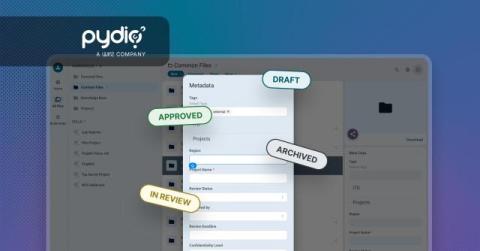
Pydio Cells v5: The Secure, Sovereign Platform for Enterprise Document Management at Scale

If you manage IT infrastructure for an organization that handles sensitive files, regulated data, or complex collaboration workflows, you've likely wrestled with a familiar set of tensions: keeping data under your control while enabling cloud-scale flexibility, enforcing compliance without creating friction for users, and maintaining a clear audit trail across a sprawling document environment.

Pexip and Wire Join Forces to Advance Sovereign European Communications

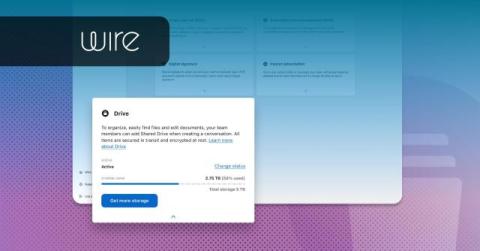
The collaboration brings together two established European platforms: Pexip’s secure video conferencing and interoperability infrastructure, and Wire’s MLS-based end-to-end encrypted messaging and collaboration platform. Together, the companies will explore how tightly integrated video and messaging can be deployed within sovereign environments, aligned with the operational and regulatory requirements of government, defense, and critical infrastructure.

Classified Communication: From Legacy Tools to Modern Collaboration

Digital collaboration has become the default way of working across business and government. Messaging, file sharing and real-time coordination are now central to how organizations operate. Yet for a long time, classified communication followed a very different path. For VS-NfD and similar classifications, secure communication traditionally relied on tools designed for a much earlier digital era. Phone calls, basic text messaging and highly constrained systems were often the only approved options.

Technical Foundations of Secure Classified Communication

Secure communication at the VS-NfD level is not defined by a single feature. It depends on architectural choices, identity controls and operational discipline working together within a clearly defined scope. This section explains the technical foundations that enable secure digital collaboration in classified environments.

SDK Apps Are Now Live in Production on Wire

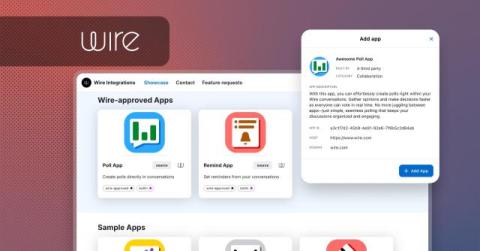
A few weeks ago, we soft-launched the Wire Integrations SDK in Staging and called it Phase 1 - the foundation. Today, we're taking the next step. Phase 2 brings the SDK to production in Wire, and with it, Apps become a properly typed, properly visible part of Wire. With this release, Wire becomes a place where automation lives natively: secure by design, end-to-end encrypted, and built on the protocols our customers trust with their most sensitive conversations. Here's what shipping.

Signal Attacks Reveal the Gap Between Securing Messages and Securing Members

Recently, a spate of successful social engineering attacks on high-value users of the Signal secure messaging tool has raised significant concerns, spawning as many questions as impassioned critiques about how to properly secure communications. A significant challenge is that the field of Internet security is so complex that it makes constructive dialogue difficult, even for modern, digital professionals.

When the Breach Hits, Who Do You Call? Why Wire Partnered with OctopusCRX

There is a scenario that keeps CISOs and executives awake at night. Not the breach itself, but what happens in the minutes and hours after it. “It’s not if a breach happens, but how you respond when it happens.” Primary systems are down. Email is compromised. The collaboration tools your teams rely on every day are either locked or actively under attacker control. And leadership needs to make decisions that will determine how damaging the attack will be. This is what Wire was built for.

Get to Know the Wire Integrations SDK

The Wire Integrations SDK is built for developers who want to extend Wire without compromising its security model. Unlike traditional bot platforms, Wire Apps are cryptographic participants in the conversation, they operate with the same end-to-end MLS encryption as any human user. This guide covers the key concepts you need to build confidently on the platform.

The New Wire Integrations SDK: A New Foundation for Secure Collaboration Ecosystems

Modern collaboration software has evolved along two primary architectural paths. On one side are mainstream collaboration platforms that prioritize extensibility and integration but rely on centralized trust models. On the other are secure messaging applications that implement end-to-end encryption (E2EE), typically designed as closed communication systems rather than extensible development platforms.