
Teams | Collaboration | Customer Service | Project Management

What is Bossware? How It Works, Laws, Risks & Examples

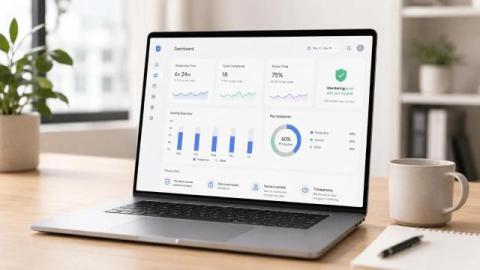
People call it bossware when the monitoring goes too far. For example, when it is hidden, excessive, unrelated to business needs, or used to punish workers. Here is a simple example. A visible timer that records billable hours is ordinary time tracking. And secretly recording an employee's screen after hours is bossware. Not every kind of monitoring is bossware. The line depends on four things.

Which Time Tracking Method Is Right for You? Methods and How to Decide

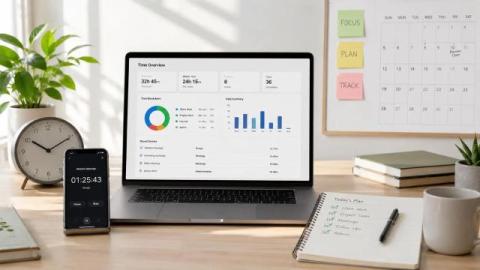
You've tried logging hours at the end of the day. By then, two meetings, a client request, and a handful of small tasks have blurred together. You enter something reasonable and move on. But reasonable isn't billable, and it isn't defensible. With that being said, I’m here today to fix that. I'll share with you which time tracking method is right for you. By the end, you'll know which method fits your workflow and what each one can actually prove.

What Data is Collected in Time Tracking Apps: Hours, Activity, and More

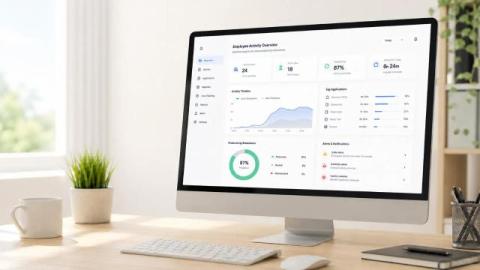
Most employees have no idea what their time tracking app records. They clock in, the timer runs, and somewhere on a server, data builds up. Depending on the tool, that data goes well beyond working hours. Some apps log URLs visited. Others capture screenshots every few minutes. In fact, a few tracks of the GPS location. To clear things up, let’s understand what data is collected in time tracking apps, what employers do with it, and what you have the right to know.

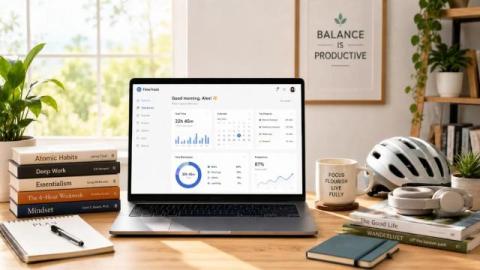
Time Tracking and Work-Life Balance: 5 Ways to Find and Stop Over Work

Your team is working hard. But you don't actually know how hard until the hours are logged. I've seen this pattern repeat throughout remote and hybrid teams. The schedule looks reasonable on paper. But the real hours tell a different story. Someone is absorbing more than their share, and nobody flags it until their mental health is already exhausted. That’s why I'll share with you the ways time tracking and work-life balance connect.

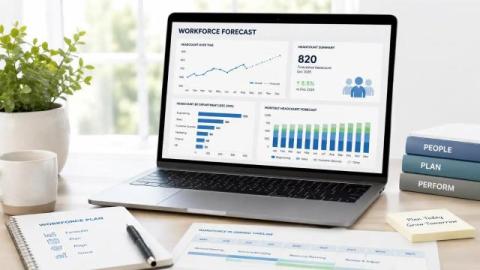
Workforce Forecasting: Importance, Methods, and Steps

Most problems with staffing don’t just happen overnight. For example, talent shortages quietly build until a project stops. Again, a team keeps working overtime week after week. Meanwhile, you see a hiring request shows up three months too late. These signs pile up slowly until you fall behind. With workforce forecasting, you can catch those problems sooner. You can check what’s coming, notice the weak points, and prepare ahead of time.

ROI of Time Tracking: What It Is and How to Measure It

How much billable time did your team lose last month? One missed hour per person per week, at an average hourly rate of $150. It costs a 10-person firm $75,000 in lost billable hours revenue each year. That's the real cost of weak time tracking returns. This write-up breaks down where the return on investment actually comes from. Most importantly, how to calculate the ROI of time tracking, and what stops most businesses from capturing it.

Using Time Tracking Data for Capacity Forecasting (3-Step Guide)

You said yes to a project because the headcount looked fine. Three weeks in, your top person is stretched. Plus, you’re missing the deadline. Even worse, nobody saw it coming. Well, it happened because you made the schedule based on your team members' availability. No worries, I’ve made this write-up to fix things up. I’ll share with you the ways of using time tracking data for capacity forecasting.

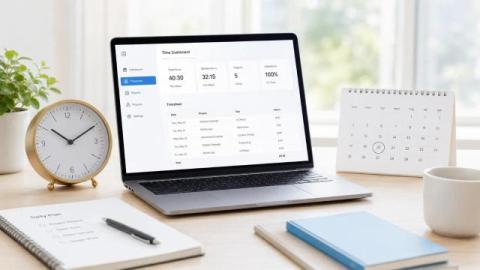
How to Audit Your Time Tracking Process: 7 Steps to Clean Data

An employee submits a time log showing 40 hours. The project budget shows 60 consumed. Yet nobody on the team can explain the difference. This mismatch isn’t from dishonesty. It comes from a process that’s never been audited. Rounded numbers, missing tags, and end‑of‑week recall instead of real‑time logging add up fast. That’s the reason I’ll show you how to audit your time tracking process in 7 steps.

How to Implement Time Tracking in a Company the Right Way

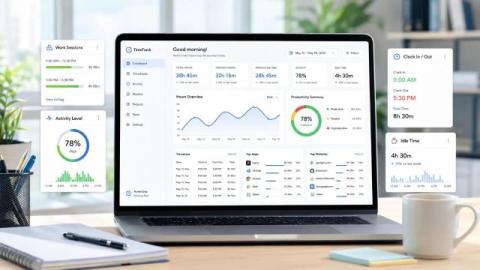
You announce time tracking apps to the team. Within a week, half your team is asking if they're being watched. Even worse, you see incomplete logs, and one person has logged eight hours of "project management" with no context. That's not a software problem. It's a rollout problem. Up next, you’ll know how to implement time tracking in a company without losing team trust. I’ll cover everything from writing your first policy to reviewing data that helps to implement.