
Teams | Collaboration | Customer Service | Project Management

Time Tracking vs Attendance Management: What's More Important?

Time tracking vs attendance management: which one should you choose? What’s more important for your business? Confusing. Isn’t it? Both time and attendance tracking are birds of the same feather. However, you still need to choose the right method according to your business to track employee time and/or clocking. Managing employee attendance involves tracking leaves, presence, absence, time off requests, and related stuff.

Top 11 Attendance Tracking Software for Small Businesses

Accurate attendance tracking is fundamental in running a small business efficiently. It ensures proper payroll calculations, productivity monitoring, and team accountability. Without this, small businesses are always at risk of errors, time loss, and sometimes even legal compliance issues. These can become hurdles to industrial and employee satisfaction.

How To Track Remote & Field Employees Daily Attendance

The remote work model has been rising recently, with major small businesses and MNCs shifting toward this model instead of the traditional 9-5 shift. As per Owl Labs Reports, more than 56% of companies allowed a remote model. It offers several benefits, including better work-life balance, flexibility, and cost-cutting On the other hand, field employees offer a major contribution to many organized and unorganized sectors, like collection, banks, healthcare, direct selling, and construction.

8 Tips to Create an Employee Attendance Improvement Plan that Works

Without a proper attendance tracking system, things can go south very fast. Unclear leave policies and unexpected absences are a sure recipe for disaster. AI-powered solutions like Flowace can solve this problem with their automated attendance tracking and smart scheduling features. But tools are just one part of the solution. With a smart tool, you need a smart plan. An Employee Attendance Improvement Plan (EAIP) sets clear expectations for both managers and employees.

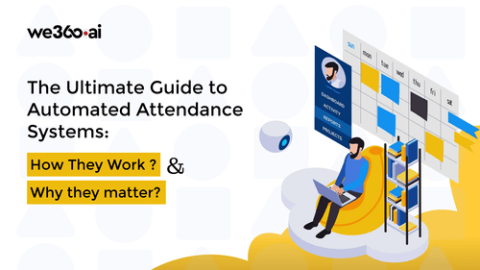
The Ultimate Guide to Automated Attendance Systems: How They Work and Why They Matter

Employee attendance tracking plays a critical role in business operations and workforce management. It helps organizations ensure employees are working their scheduled hours, prevents absenteeism, and simplifies payroll processing. However, traditional attendance tracking methods—such as manual registers, punch cards, and spreadsheets—are outdated. These methods are prone to errors, inefficiencies, time theft, buddy punching, and compliance risks.

Why HRs are Switching to Automated Attendance Systems?

Recording employee attendance should not be as challenging as trying to solve a puzzle month after month, but that is precisely what convention systems put the HR teams through. That is why HR managers are smartly switching to automated attendance systems. These tools are not just unclaimed time savers; they are dramatic shifts in how companies approach workforce management. From a theoretical perspective, it is the solution for today’s workplace.

Creating an Employee Attendance Policy: Guide & Template

Crafting a fair but consistent employee attendance policy can make an impact not only on your business’s bottom line but also on your team’s morale and retention. But it’s easier said than done. Different employees have different needs: family care, mental health circumstances, remote locations, cultural holidays, you name it. How does a business take all of this into account while keeping the attendance policy consistent and compliant with ever-changing labor laws?

Why is attendance important in the workplace?

Whether you’re a startup or a multinational business, maintaining good attendance contributes to the company’s success. It also speaks volumes about your employees’ credibility and work ethic. Moreover, attendance impacts your workplace in several other ways. For example, tardiness or the persistent absence of one employee can negatively impact employee morale. That’s why the importance of attendance is quite high at work.

How To Create an Attendance Policy (Free Template)

Running a bit late? Overslept or got caught in traffic? It happens to the best of us. In fact, over 1 in 4 workers (29%) admit to showing up to work late at least once a month. While the occasional late start is understandable, chronic absenteeism and tardiness significantly drain productivity—The CDC estimates that absenteeism costs U.S. employers $225.8 billion annually, or $1,685 per employee! In this article, we’ll explore how to develop a reasonable attendance policy.

Attendance Point System: A Strategy for Managing Employee Absences

Managing employee attendance is a critical aspect of maintaining productivity and ensuring smooth operations in any organization. Frequent or unexplained absences can disrupt workflows, strain resources, and affect team morale. To address these challenges, many companies implement an attendance point system—a structured approach to tracking and managing employee absences.