

Teams | Collaboration | Customer Service | Project Management

Flexible Work Schedules: A Practical Guide to Modern Workforce

The old 9-to-5, five-days-a-week grind no longer defines modern work. Today’s workers demand flexibility. Today, 88% of employees consider schedule flexibility very important. Companies that meet this demand by offering remote work, flextime, and other flexible options generally see much lower turnover and higher productivity. But flexibility only succeeds if handled correctly. When everyone sets their own hours or location, managers lose the old visibility.

Time Tracking Compliance: Laws, Risks, & Best Practices

In FY2024, the U.S. Department of Labour recovered over $202 million in back wages for violations of time-keeping rules. Likewise, a single year of Fair Labor Standards Act (FLSA) enforcement resulted in $149.9 million paid to 125,301 workers. Even honest mistakes like missing a break or miscalculating overtime can trigger audits or fines. In short, it only takes one audit, one complaint, or one overlooked tracking policy to land you in legal trouble.

Guide to Maximizing Benefits of a Healthcare Virtual Assistant

If your medical team spends hours every week on tasks that have nothing to do with patient care, you are adding unnecessary pressure to an already overworked staff. Scheduling appointments, verifying insurance, transcribing notes, processing billing and coordinating referrals are all responsibilities a virtual medical assistant can handle more efficiently. But most healthcare practices struggle with virtual assistants because managing them effectively is nearly an impossible task.

Why Law Firms Prefer Time Tracking Over Block Billing? (2026 Guide)

Law firms across the world are moving away from traditional block billing. When hours are combined into one lump entry, clients doubt the accuracy of the invoice. Firms also find it harder to justify their fees in a competitive legal market. Block billing can even trigger audit concerns, weaken trust, and affect long-term client relationships. Due to these challenges, many forward-thinking law firms are switching to detailed time tracking.

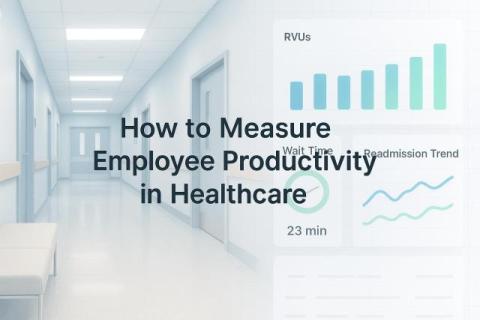
How to Measure & Improve Employee Productivity in Healthcare

Understanding how to measure employee productivity in healthcare isn’t simple. It’s not just about counting how many patients you see or how many reports you complete. Unlike corporate environments, where productivity is tied to deliverables, in healthcare, it directly impacts patient care, safety, and satisfaction.

Time Blocking 101: How to Plan Your Day for Laser Focus and Less Stress

You’re pulled into every meeting there is, and even if you manage to get out of one, you’re asked to sign off on a hundred things before you can do anything else. By the time you sit down to write that report, you’re again pulled into different discussions that completely eat away at your time. Now that the 9 hours you spend at work is eaten away by urgent tasks, there’s no time to do the important ones.

Why is Time Tracking Important Even If You Don't Charge Your Clients An Hourly Billing Rate?

You wonder, “Why is time tracking important even if you don’t operate on an hourly billing model?”. That’s because it’s a strategic tool that protects your most valuable resource: your time, no matter what your billing model looks like. It helps you understand where hours are going, identify inefficiencies, optimize workflows through workload analysis, and make smarter business decisions.

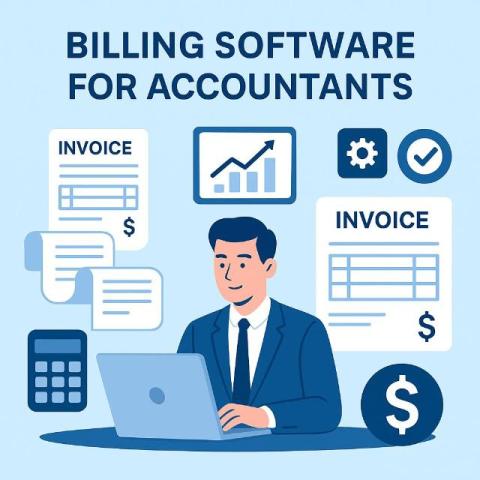
Top 7 Billing Software for Accountants in 2025

Billing is the part of accounting that no one really talks about at networking events or client meetings, yet it has the power to make or break the day-to-day flow of your practice. It’s not just about sending invoices, it’s about getting paid on time, keeping records airtight, staying compliant, and, above all, building trust with clients who expect precision. But let’s be honest: doing all this manually can feel like wading through quicksand.

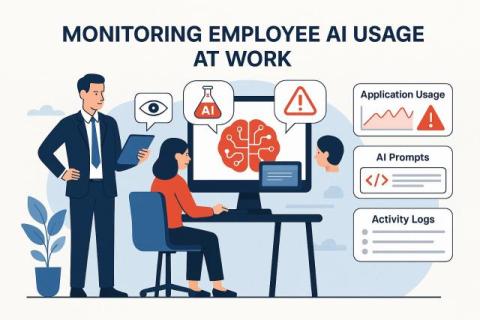
How to Track Employee AI Usage: A Complete Guide for Businesses

Every profession has an AI tool that helps lighten the workload. Employees now use apps like ChatGPT, GitHub Copilot, Google Geini, and Midjourney to write, code, design, and brainstorm. There is no denying that AI brings tremendous opportunities. But it also introduces new challenges. Almost 99% of organizations have sensitive data vulnerable to AI tools. As a result, companies from Wall Street banks to tech firms are scrambling to set rules or even block AI tools over security fears.

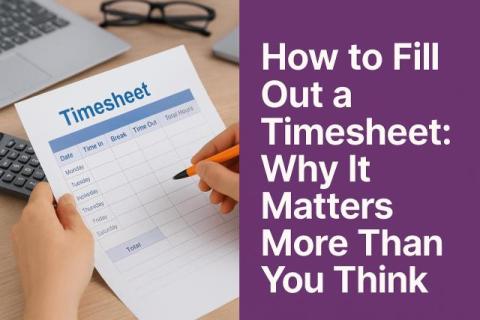
How to Fill Out a Timesheet: Why It Matters More Than You Think

At first glance, filling out a timesheet might seem like a small, routine task. But timesheets play a much bigger role than most people realize. For many employees, timesheets feel tedious, confusing, or even unnecessary. Industry statistics show that businesses lose up to 7% of gross payroll due to time-tracking problems such as manual timesheet entry, misreported hours, or even time theft.