

Teams | Collaboration | Customer Service | Project Management

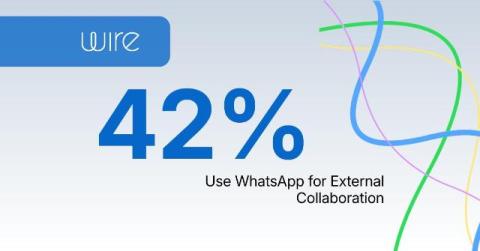
Why WhatsApp & Signal are not an option for secure communication

For years, secure communication was treated as a technical feature, something that the IT teams would take care of, and measured mostly by compliance checklists. But the way organizations operate today has changed dramatically. Communication isn’t just how people exchange information; it’s the backbone of decision-making, crisis response, and day-to-day operations. And because of that, communication has become one of the most vulnerable parts of the enterprise.

Key Takeaways from the European Digital Sovereignty Summit 2025 in Berlin

Berlin became the center of Europe’s digital debate this week as heads of state, ministers, and industry leaders gathered for the European Digital Sovereignty Summit. It was a day defined by political symbolism, strategic announcements and a shared message: Europe is ready to take a more active role in shaping its digital future.

How to Choose the Right European Alternative to Slack & Teams

Across Europe, organizations are rethinking the tools they use to collaborate. With stricter regulations like GDPR, NIS2 and DORA, and growing awareness of digital sovereignty, many IT and compliance leaders are asking a simple question: Is it time to move away from U.S.-based communication platforms such as Slack and MS Teams? The answer increasingly points toward European-built alternatives, platforms designed within EU jurisdiction, aligned with local compliance frameworks.

European Messaging Apps: What to Know & When to Use Them

The way Europe works and communicates is changing. Hybrid and fully remote work models are now a reality for many EU enterprises and this shift has resulted in a significantly expanded attack surface for threat actors. At the same time, regulations like the NIS2, DORA, and the EU Data Act mandate clear audit trails, sovereign data processing, and rapid breach reporting.

Why It's Risky to Rely on U.S. Cloud & Collaboration Providers

European enterprises have built much of their digital infrastructure on U.S. platforms such as Microsoft 365 or AWS. These tools power everyday collaboration and productivity, but they also expose organizations to legal, operational, and reputational risks that are often underestimated. As Europe tightens its regulatory frameworks around digital sovereignty, GDPR, NIS2, and DORA, this dependency on foreign infrastructure is no longer just a compliance issue.

Wire at Labour Party Conference: How the UK Can Secure Its Digital Future

At this year’s Labour Party Conference in Liverpool, Wire hosted a high-level panel on Britain’s digital future, exploring how the UK and Europe can strengthen digital sovereignty and resilience in a rapidly changing geopolitical landscape. The session, chaired by Jon Craig, Chief Political Correspondent at Sky News, brought together Alex Barros-Curtis MP, Al Carns MP, Parliamentary Under-Secretary of State for the Armed Forces, and Oliver Brown, Vice President Commercial at Wire.

How the UK Can Secure Its Digital Future | Wire at Labour Party Conference 2025

At the 2025 Labour Party Conference in Liverpool, Wire hosted a high-level panel discussion on how the UK can strengthen its digital sovereignty and resilience in an increasingly complex geopolitical landscape. Chaired by Jon Craig, Chief Political Correspondent at Sky News, the panel featured: Together, they explored how the UK can balance global collaboration with national control—aligning regulation, procurement, and innovation to build a truly sovereign digital ecosystem.