

Teams | Collaboration | Customer Service | Project Management

Employee screen recording: Pros, cons, and better alternatives in 2026

The privacy, legal, and productivity considerations behind employee screen monitoring, plus smarter alternatives for modern teams Quick overview: Employee screen recording can help managers track performance, enforce company policies, and support IT troubleshooting. But it also comes with serious drawbacks: legal risks across multiple jurisdictions, employee trust issues, and a surveillance culture that can quietly drive up attrition.
The complete guide to employee monitoring software (2026)

How to get visibility into how your team works without micromanaging or losing their trust Quick overview: Employee monitoring software helps businesses track how teams spend their work time across remote, hybrid, and in-office settings. This guide covers what it is, how it works, what the law requires, and how to implement it in a way your team will actually trust.

What AI can do in performance management, and what it can't.

Performance management has been broken in most organizations for a long time. It was designed for offices, where managers could track progress through proximity and ambient visibility. Remote work removed the ambient visibility. AI is now removing the need for most traditional performance proxies.

Remote-friendly is not enough anymore. Here's what remote-excellent looks like

The first wave of remote work had a low bar. Companies went remote because a pandemic gave them no choice. Being remote at all was the differentiator. The second wave is different. It is voluntary, which means it is competitive. Companies now choose whether to offer remote flexibility. Which means the employees choosing to work for them have genuine alternatives. According to Buffer, 98% of workers want remote work at least some of the time. 46% would consider leaving if forced back to office full-time.

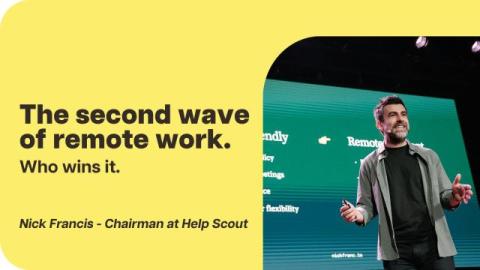
Remote work's second wave is here. And it's not about location.

AI is absorbing the parts of your team’s work that used to prove someone was doing their job. If you manage a distributed team, that leaves a real question: what do you actually measure now, and how do you know it’s true? The location debate is already settled. US remote work has held steady at around 27% of the workforce for three years running, according to figures Liam Martin, co-founder of Time Doctor, cited in his opening keynote at Running Remote 2026.