
Teams | Collaboration | Customer Service | Project Management

Improving Employee Efficiency in the Workplace: 12 Effective Tips

Summary: Only 23%! That’s how much employees are engaged with work. And this low engagement costs the global economy 8.9 trillion! So, how do we improve employee engagement and boost efficiency? We’ve all seen the checklists: fewer meetings, better tools… but if it were that simple, every team would be efficient. So, these actually don’t work, and here, we’ll learn proven ways to improve employee efficiency while keeping them happy in a healthy office environment!
Employee Monitoring vs. Spying: What's the Difference?

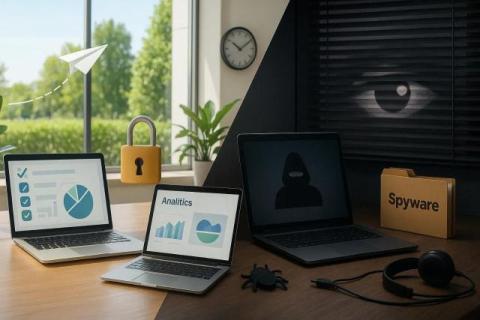
Key Summary: Once, I was managing a remote team, and it was difficult to balance work and privacy. As a manager, I needed to track their progress. But I didn’t want them to feel like I was spying on them! That’s when I realized the key difference between monitoring vs. spying. Monitoring is about transparency. It tracks project progress, time use, and software activity. Employees know what is being monitored and why. So they feel supported rather than surveilled.

What is Operational Compliance and How to Improve It?

Summary: Did you know that even though 70% of companies believe they're compliant, only 25% pass audits on the first try? So, where are the companies going wrong with their compliance efforts? Often, it's because they don’t quite understand what operational compliance is. It's not just paperwork; it's how your business actually runs! Rest assured because we’re here to break down the nitty-gritties of operational compliance!

Negative Effects of Employee Monitoring & Smart Ways to Avoid Them

Summary: In the era of workplace surveillance, where 96% of all companies use some type of employee monitoring, many believe that it leads to higher employee productivity and efficiency. However, the reality is far more complex. In fact, excessive electronic surveillance damages trust, increases worker stress, reduces employee engagement, and can even encourage unethical behavior.

What is Real-Time Monitoring?

Summary: Did you know monitoring systems can increase work output by 22%? Watching what employees do while they work helps companies get more work done, keep things safe, and follow the rules. When managers can see what's happening right away, they can make better choices. The new computer programs look at how work gets done, and employees still feel they can trust their bosses. Let me tell you about why real-time monitoring is good, what tools you can use, and how to do it right.

How To Monitor Employees' Computer Activity Without Breaking the Law

Key Takeaways Employee monitoring is a double-edged sword—done right, it enhances productivity and security; done wrong, it breeds distrust and legal risks. With 45% of employers tracking keystrokes, emails, and screen activity, it's clear that monitoring is becoming the norm. However, businesses must strike a balanced approach between accountability and privacy to avoid employee backlash. This guide provides a data-driven, ethical approach to employee monitoring.

What is a Mouse Jiggler? [Type, How It Works, & Legal Facts]

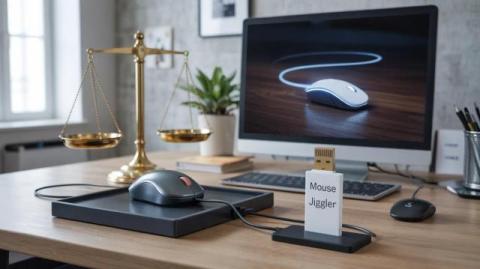
Key Summary As more companies use computer monitoring software to track work activity, many remote workers have started using mouse jigglers to appear active. But what is a mouse jiggler, and how does it help? A mouse jiggler is a small device or software that moves your mouse automatically. It helps you stay “active” on these tracking systems, even if you’re not at your desk for a moment. It may seem harmless, but it often raises an ethical question.

Employee Social Media Monitoring: Legality, Ethics, and Best Practices!

Considering social media monitoring for your employees? Not so sure where and how to start? I understand it must be difficult to ensure effective monitoring without infringing on privacy. But with a clear understanding of it, you can get both with little effort.