
Teams | Collaboration | Customer Service | Project Management

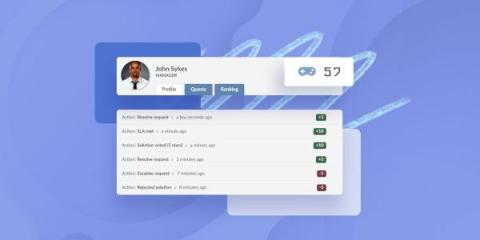
Gamification in IT: Everything you Need to Know to Boost Service Desk Gamification

We hear a lot about gamification in IT, but it can sometimes be unclear how to implement it, its benefits and challenges, and which tools are indispensable to succeed. Keeping agents motivated can be a struggle in itself, we know. Staff demotivation is not uncommon due to multiple factors – such as end-user complaints, burnout because of constant incoming incidents, and the monotony of some service desk tasks – and can lead to high agent turnover.

Help Desk vs. Customer Service: Different Tools for Different Purposes

In the same way that a CRM and an ITSM tool are not equal, help desk and customer service fulfill different roles and therefore have different requirements. Customer service is about Customer Experience (CX), whereas help desks are more technology focused. Additionally, both functions have different toolset requirements.

10 Self-Service Portal Best Practices to Ensure Self-Service Success

Looking for help building your company's IT self-service portal? Then this article is for you! We're about to detail the ten self-service portal best practices you absolutely need to follow when creating it. From the design, delivery, and ongoing operation of a self-service portal to the critical mistakes to avoid when aiming for its success, here's a deep dive into practical advice derived from the real-world success of other organizations.

How to Implement Omnichannel Customer Support? Benefits, Tips, and Best Practices

The customer support landscape is ever-changing and expanding, increasing both users’ expectations and challenges for IT teams. In this context, offering omnichannel customer support is not an option anymore. Users expect to be able to contact the help desk through the channel that’s most convenient to them, and support teams must try their best to provide a multiplicity of platforms to submit requests while attending to all of them in an efficient way.

6 Steps to Implement an Employee Experience Strategy

Employee experience strategy is designing and implementing an integrated set of activities, initiatives, and programs that collectively create a positive and productive work environment. Gartner has identified that the employee experience (EX) is about more than just the technology used to enable work - it is about all the interactions employees have throughout their day-to-day work and how their contexts influence these interactions.

Will ChatGPT Replace Level 1 Customer Support? Thoughts on AI's Place in Service Management

Dramatic shifts in how we approach and conceptualize work are always met with an initial tidal wave of skepticism and detractors. This is a good thing, even if those initial detractors may turn out to be wrong. Thinking critically about the tools we deploy and how we manage our workforce is paramount.