
Teams | Collaboration | Customer Service | Project Management

What is teamwork and how to improve it in the workplace (actionable tips inside)

Every team wants to work better together. But that is not always easy. Miscommunication, unclear roles, and different work styles can get in the way. That is why strong teamwork is so important. With the right tools, strategies, and attitude, any team can work better together and feel more connected. In this post, we explore how teamwork brings people closer, the benefits of teamwork, how to overcome common challenges, and what you can do to build a team that works in sync.
Match regional holidays to real-time availability with Time Off

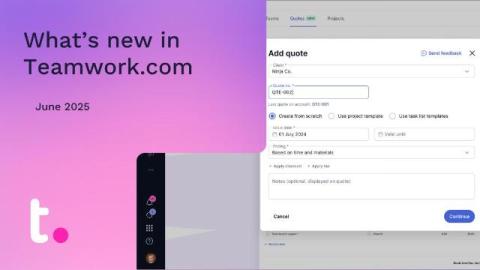
When you're managing a global team, knowing regional holidays can make or break your schedule. Resource planning gets a lot smoother when you know who’s around — and who’s not. That’s why Time Off in Teamwork.com helps you create, manage, and track regional public holidays for your workforce in a simple and centralized way. It’s not just about marking dates on a calendar.

Workload management: How to manage workloads and increase efficiency

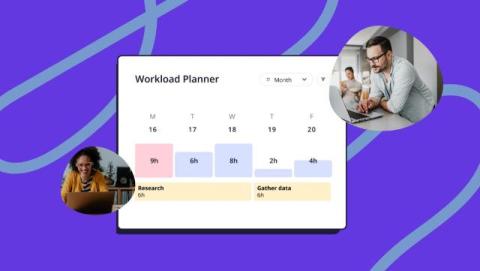
Building a truly great project schedule from the ground up is exceptionally difficult. Just ask anyone leading a project and usually, workload management makes the top of the list for hard things to do efficiently. We get it. Workloads change at the drop of a hat. And keeping everyone on pace toward completion can feel like an impossible task. For example, do any of these project situations sound familiar?

From proposal to acceptance: Quotes that close

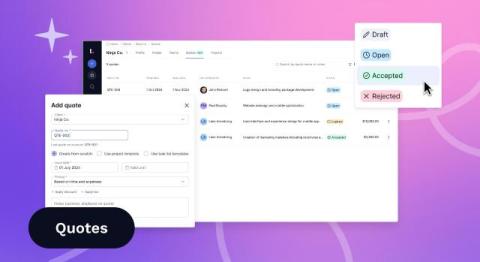
Time and accuracy are two of the most valuable currencies in client services. From the moment you draft a quote to the instant the work begins, your ability to align on expectations can mean the difference between landing a project or losing it. Enter Quotes. Quotes in Teamwork.com allow you to create accurate, professional, and customizable quotes to set your projects up on the right foundation. No one (you, your team, or your clients) benefits from a messy, disorganized, or unrealistic plan.

What is a capacity model (and why does your team need one)?

When I started managing projects that involved multiple stakeholders across multiple teams, I quickly realized that guessing how much work my own team could handle just wasn’t enough. We needed a clear way to see if we had too much on our plates or if we could take on more. That’s when I learned about capacity models, which are an easy way to understand how much work your team can handle without feeling overwhelmed.

The perfect project status report template for agencies

One key element of project management is keeping team members and key stakeholders continually updated on project progress. For large projects and teams, though, keeping everyone in the loop regarding the project's status is often easier said than done. This is especially true when you consider that 60% of project managers are running between two and five projects simultaneously, while 15% are running 10 or more projects at once.

The ultimate guide to agile marketing

With over 15 years' experience leading B2B marketing teams across SaaS and services, I’ve seen firsthand how traditional marketing methods are being challenged. In today’s fast-moving environment, agile isn’t just a buzzword—it’s a competitive advantage. In this article, I'll walk you through what agile marketing is, why it's important, and how to get started. Let's dive in!

10 Best program management software tools for every team

When I first stepped into program management, I was overwhelmed. I remember staring at endless spreadsheets, juggling emails, and hopping between apps but still feeling like I was losing control. Deadlines slipped, my team was stretched too thin, and I was exhausted from trying to keep everything afloat. But that all changed when I started using the right program management software.

10 resource planning tools that help me manage projects and teams effortlessly

As someone juggling multiple content projects at once, I've learned that resource planning tools aren't just helpful—they're absolutely essential. From coordinating writers and editors, to looping in designers are SEO specialists, I rely on these tools to keep everything flowing smoothly. Let's say I'm rolling out a new content series (which happens pretty often!). With the right resource planning tools, I can assign tasks, track deadlines, balance workloads, and avoid last-minute chaos.

Project time management: Key processes, best practices, and tools

When I’m running a project, time is always on my mind—but it’s not always on my side. There’s nothing worse than watching deadlines slip or seeing a team get stressed because a project timeline wasn’t realistic. Project time management helps me plan ahead, keep everything moving, and make sure we cross the finish line on time without burning out.

Capacity planning template: Perfect for managing your team's workload

Managing a busy team means constantly juggling deadlines, tasks, and availability. I’ve had days when I wasn’t sure who could take on more work or whether we’d meet a deadline without burning out. That’s when a capacity planning template became one of the most useful things in my project management toolkit. It gives me a clear picture of what’s realistic, helps me plan ahead, and makes sure my team is working at a pace that’s productive, not overwhelming.