
Teams | Collaboration | Customer Service | Project Management

Remote Work Challenges: How to Navigate the Modern Workplace

Remote work has transformed the way people work across the globe. What was once considered a niche option has become a standard practice for many companies, offering flexibility, cost savings, and access to a wider talent pool. Despite these benefits, remote work comes with its own set of challenges that can impact productivity, team cohesion, and employee well-being.

Mastering Virtual Team Management: Guide to Leading Remote Teams

The global shift toward remote and hybrid work has transformed the way businesses operate. Today, virtual team management is no longer a specialized skill for a select few—it has become a cornerstone of modern leadership. Whether you’re leading software developers across multiple continents, marketing professionals scattered across time zones, or customer service representatives working from home, the ability to manage virtual teams effectively is essential.

How to Motivate Remote Employees: Strategies for Building Engagement and Productivity

Remote work has shifted from being a temporary solution to becoming a long-term reality for many businesses. What started as an emergency response during the pandemic has evolved into a global trend that continues to reshape how organizations operate. While remote work offers flexibility, cost savings, and access to a wider talent pool, it also brings new challenges—one of the biggest being how to keep remote employees motivated, engaged, and productive.

Best Practices for a Hybrid Office

Hybrid work isn’t just a trend — it’s the new operating system for modern business. Over 70% of companies now use some form of hybrid model, but many still struggle with uneven communication, burnout, and a “two-tier” culture between in-office and remote employees. The difference between thriving and barely getting by? Having the right systems, habits, and mindset in place.

How Business Process Outsourcing Can Help Your Business Grow

Business process outsourcing BPO is a business practice in which an organization contracts out specific tasks or processes to an external service provider. These tasks or processes can include a wide range of back office or front office functions, such as customer support, data entry, human resources, accounting, and more.

Remote Contractor Management: Best Practices for Smooth and Scalable Collaboration

In a globalized world where digital transformation shapes the way businesses operate, managing remote contractors has become a vital part of many organizations’ workforce strategies. Whether you’re a startup hiring international freelancers or an enterprise scaling operations with specialized remote talent, mastering remote contractor management is key to success.

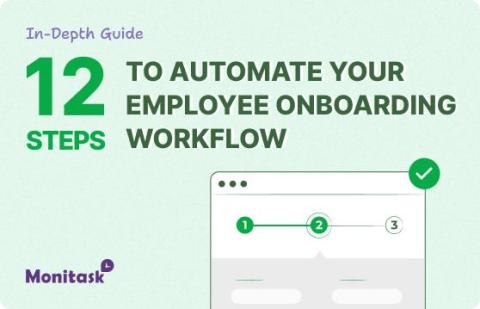
InDepth Guide: 12 Steps to Automate Your Employee Onboarding Workflow

Manual onboarding is a mess waiting to happen. Documents slip through the cracks, tasks get missed, accounts aren’t ready on day one—and the result is a disjointed experience that frustrates HR and underwhelms your new hires. It’s not just inefficient; it’s a bad first impression. Automation changes that. With the right tools, you can turn a scattered process into a smooth, repeatable system that’s faster, more reliable, and easier to scale.

10 Key Differences Between a Boss and a Leader

“Boss” and “leader” are often used interchangeably—but they mean very different things. One holds a position. The other earns it. One manages work. The other moves people. A boss may demand results, but a leader inspires them. That difference can shape the culture of an entire organization—and directly affect whether teams thrive or burn out. If you want to lead, not just manage, here are 10 key differences to understand and embody.

15 Tips on How to Be Proactive at Work

If you’re waiting to be told what to do, you’re already behind. The people who stand out at work don’t just react—they stay ahead of the curve. They solve problems before they escalate and act without needing permission. Being proactive isn’t about doing more work—it’s about doing the right work with focus and intention. It’s how you create momentum, build trust, and take control of your professional growth.

Building a Strong Company Culture: The Ultimate Guide

Companies with strong cultures grow revenue four times faster and that has become a key differentiator for attracting talent, driving productivity, and achieving long-term success. A strong company culture doesn’t just happen — it requires intentional effort, clear values, and leadership commitment. This ultimate guide will walk you through everything you need to know to build a vibrant, empowering, and sustainable company culture that fuels growth and keeps your team engaged.