
At first glance, project management in a creative environment might seem like an oxymoron. After all, shouldn’t we promote the freeflow of ideas without trying to add potentially limiting structure? Creatives are the cornerstone of the world’s innovations — their inability to think outside the box and present dynamic solutions is a benefit to any organization.
In the digital era, workspace applications are the key to success in any business. When it comes to selecting the right collaboration application for your workplace, it can be difficult to identify what tools to prioritize and what ones can be compromised on. Some applications are more task based and lacking in collaboration or vice versa. Getting everything you want from collaboration apps can sometimes be a difficult feat.
Working outside of the office space has become more popular since the inception of the global pandemic. Some people were already working remotely before the lockdown and were familiar with the remote work model. Unfortunately, many organizations, forced to embrace remote work, are struggling to cope with the challenges of leading remote teams. Many virtual leaders do not know how to inspire productivity in remote employees.
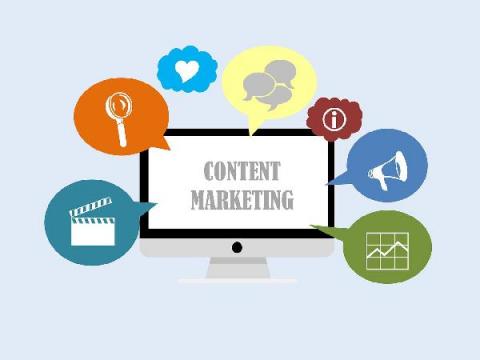
Content marketing does plenty for your organization. It pushes your site higher in the search engine ranks, pulls in traffic, educates and builds trust with your readers, and hopefully leads to them buying from you (and staying loyal into the future). But there are plenty of moving parts involved with producing just one perfect piece of content — let alone several in a week. This is where a content calendar comes in handy. Your content calendar can be as simple or complex as you need.
If 2020 was the year of work-from-home, 2021 will gradually be easing into what the future of the office will look like: a hybridized home-and-office requiring the use of many different workflow tools. The reason this term casts such a wide net is because everyone’s situation will be notably different. Some businesses will return in full force (once they’re able to) and will resume the office life that they formerly lived, while other organizations may never have a formal office again.
What if I told you there was a simple way to increase productivity and communication within your organization? To create more connections and relationships that will improve your work environment, bring in mentorship. When it comes to mentorship, the connections made by a mentor and mentee goes well beyond just a connection.
Workflow automation is the process of simplifying your business processes and making them easier to manage. It can help you streamline your repetitive tasks while helping you focus on the important things. In other words, you can do actual work instead of toiling away on administrative chores.
The scene: You’re working on a task when a question comes up. “Ask the PM,” says your co-worker. But which PM are they talking about? Depending on your company or the project, it could refer to the program or the product manager. But what’s the difference between them? However similar the titles might seem — these roles are not universal and can change at each organization.
In theory, the world of integrations is designed to make our life easier. By bringing systems together, teammates can share information more quickly, and managers can have more oversight over performance, deadlines, and budgets. But what happens when this individual software and system integrations become too unwieldy or complicated to manage?