
Teams | Collaboration | Customer Service | Project Management

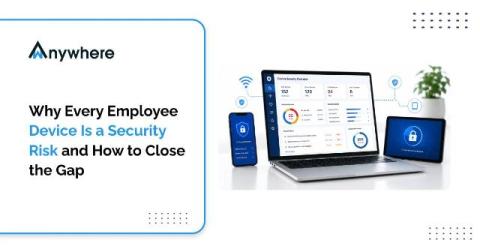
Why every employee device is a security risk and how to close the gap

The office perimeter is gone. Work now happens on laptops in living rooms, phones on home Wi-Fi, USB drives passed between desks, and screens left unlocked in co-working spaces. None of that sits behind the firewall your IT team spent years building. Most security budgets still protect the network far better than they protect the device at the edge of it, and that gap is where endpoint security risks quietly build up.

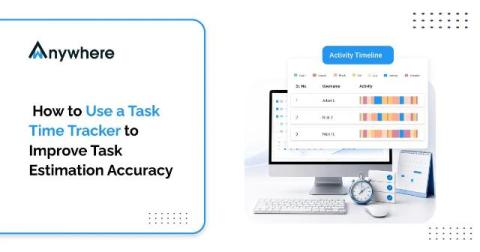
How to use a task time tracker to improve task estimation accuracy

Every project plan opens with a number nobody checks again. A task is quoted at six hours, work begins, and by the time it wraps at eleven hours, the gap has already been absorbed into the next deadline instead of the next estimate. A task time tracker exists to close that loop. It turns every completed task into a reference point, so the next estimate is built from what actually happened rather than what felt reasonable at the time.

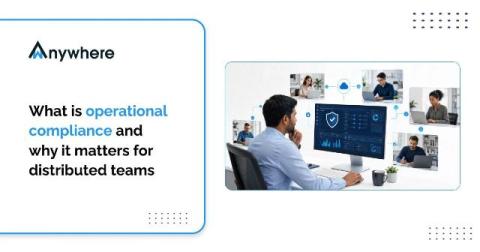
What is operational compliance and why it matters for distributed teams

Operational compliance is what a business actually does every day, not what its policy manual says it should do. For a BPO handling customer calls, a BFSI team processing transactions, or a healthcare provider managing patient records, the gap between written policy and daily practice is where real risk lives. Distributed teams widen that gap. When people work from homes, branch offices, and shared desks across time zones, the controls built for one office floor stop working the way they used to.

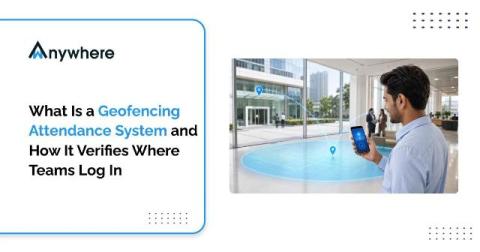
What is a geofencing attendance system and how it works

A geofencing attendance system is a location tracking setup that records attendance only when a verified user logs in from inside a defined virtual boundary, known as a geofence. Instead of simply asking where a device is, a well built geofencing attendance system asks two questions at once: who is logging in, and where are they logging in from.

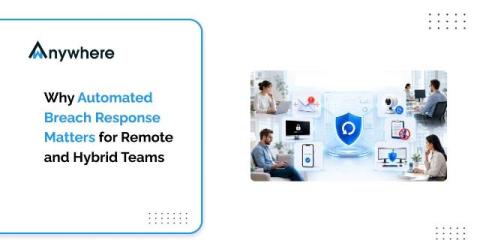
Why automated breach response matters for remote and hybrid teams

When a breach happens, the real damage rarely starts at the moment of intrusion. It starts in the gap between when a breach is detected and when someone actually acts on it. For a security team watching dashboards during business hours, that gap might be minutes. For a remote employee working late on an unattended laptop, or a hybrid worker switching between a home network and a coffee shop hotspot, that gap can stretch into hours or days.