
Teams | Collaboration | Customer Service | Project Management

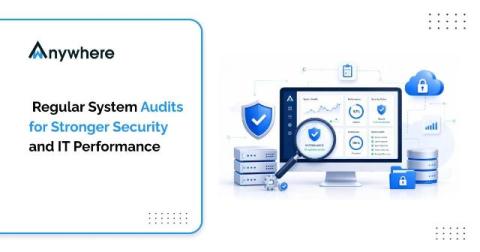
What is an IT system audit and why it matters for security

Every organization now runs on a growing web of laptops, servers, cloud tools and remote endpoints. Each device carries its own operating system version, patch status, storage load and security configuration, and any one of these can quietly drift out of shape. An outdated OS, a missed security patch, a nearly full hard drive or an unmonitored network setting rarely looks urgent on its own.

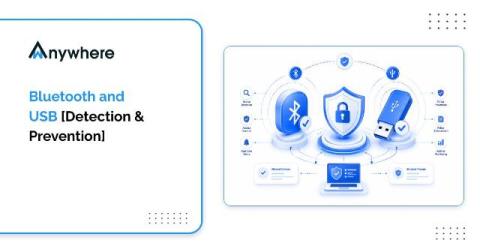
How Bluetooth and USB Detection and Prevention Helps Organizations Strengthen Endpoint Security

In today’s digital workplace, employees connect USB drives, external hard disks, Bluetooth headsets, and other removable peripherals to their workstations multiple times a day. This kind of convenience keeps work moving. But it also opens a door that many organizations never think to lock. A single unchecked connection can turn a routine task into a serious security incident. Most IT teams only realize the gap exists after something has already gone wrong.

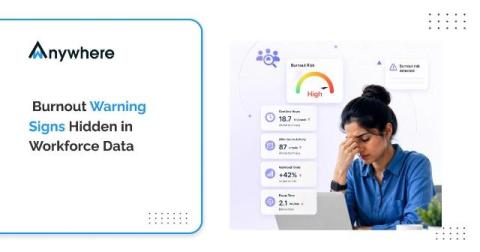
Burnout warning signs hidden in workforce data

Most burnout stories end the same way: a resignation letter, an exit interview, and a manager asking “I didn’t see this coming, did I?” The honest answer is usually that the signs were there. They just weren’t in a conversation. They were in a calendar, a login log, a task tracker, and a Slack timestamp.

How Workforce Intelligence Helps Scale GCC Operations Efficiently

Global capability centers have moved far beyond their original role as low cost delivery arms. Many now own products, platforms, and business outcomes for their parent enterprise, which means the workforce inside them has become a strategic asset rather than a line item. Scaling that workforce without losing visibility, productivity, or compliance is the operational challenge every GCC leader faces once headcount crosses a few hundred people.

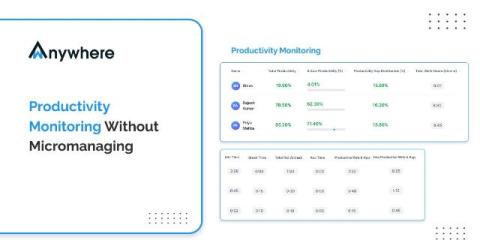
How to Use Productivity Monitoring Software Without Micromanaging Your Team

Every growing company hits the same wall. Leaders want visibility into how work gets done, and employees worry that visibility means being watched. The instinct to install monitoring software often runs into a very real fear, that oversight will slide into control. This tension is not really about the software itself. It is about how monitoring is introduced, explained, and used once it is live.