
Teams | Collaboration | Customer Service | Project Management

Monitoring for Good: Remote Employee Insights That Fuel Career Growth

In 2020 it dramatically increased from 5% to 35% and by 2024-2025 it stabilized at 40% with global workforce engaged in some form of remote work. ‍ Although remote work setting declined after that, 83% of workers globally prefer hybrid work arrangements. ‍ It becomes imperative that you take remote workforce responsibily as it caters to more than 40% of work time, which is a major chunk.
How to Use Employee Activity Data to Boost Team Performance?

Imagine running in a marathon blindfolded. You’re putting effort but feel directionless. The same happens when you’re handling your team without analytics. Employee performance data is the cornerstone to building a blueprint of most of your company’s strategies based on facts and not gut feeling. By capturing employee activity data - time spent, tools used, obstacles faced - you can steer your business to a clear direction. This helps you eventually align with productivity patterns.

AI Trends Defining the Future of SaaS

Say “AI” in a SaaS boardroom, and you’ll see two reactions: excitement from those eager to innovate and eye-rolls from those tired of the buzzword. But the truth is, AI is no longer hype. It’s reshaping how SaaS products are designed, delivered, and experienced. What once meant clunky chatbots or rigid workflows is now evolving into adaptive systems that learn, predict, and simplify—often faster than the humans who built them.

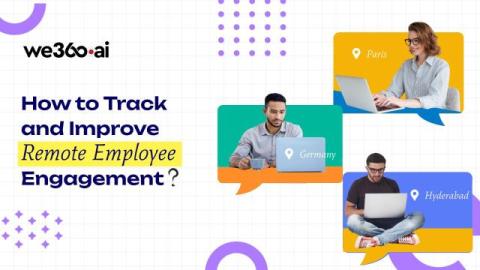
How to Track and Improve Remote Employee Engagement?

Imagine putting your best people on a winning team but never letting them meet, celebrate, or collaborate face-to-face. Chances are, even the most motivated players would feel disconnected and disengaged. That’s exactly what many organizations face today with remote work. Gallup’s global data show that 30% of fully remote employees are engaged, compared to 21% of on-site empl lued, and motivated, no matter where they work from.

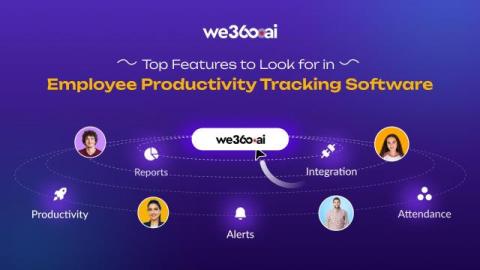
Top Features to Look for in Employee Productivity Tracking Software

Do you know employees nowadays are productive only for 2 hours and 53 minutes?‍ Shocking right? Despite the rise in productivity, global employees are productive only 60% of the time. Distractions include social media, unplanned meetings and inefficient workflows. This implies reduced output, missed deadlines and higher operational costs. This necessitates the call for robust employee productivity tracking software to spike productivity and foster a healthy working culture. So here is the question.

AI in HR: Real-World Use Cases for 2025

AI for HR is reshaping the workplace, turning data into decisions and processes into seamless experiences. 2 out of 3 HRs claim AI reduced time for filling open positions. 53% claim it eases the process and 16% report better outcomes with AI. AI in HR began with basic skills like applicant tracking systems and resume screening. It now offers an advanced solution where AI acts as a navigator. With AI, HR divisions are moving from a conventional manual process to automated operations.

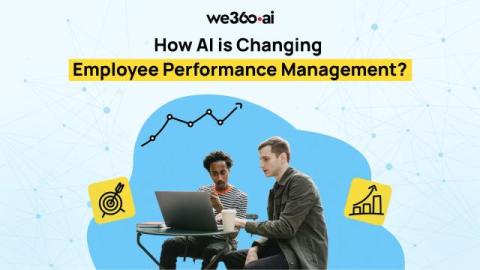
How AI is Changing Employee Performance Management?

Your employees’ performance is dipping and you feel helpless about it. In current scenario, keeping your employees motivated, aligned and performing to their best is more complex than ever. 76% of HR leaders say they risk falling behind in industry if they don’t incorporate AI in their strategy in next 12 to 24 months. Can you see the impact? It is an insurmountable problem to face manually. Thankfully, we are in the AI era.