
Teams | Collaboration | Customer Service | Project Management

Poor Field Visibility Could Cost You $50K | #Workstatus

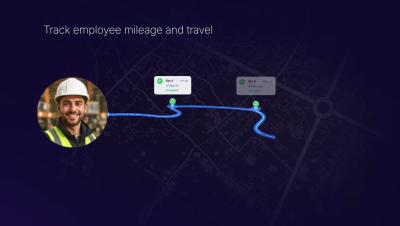
Poor jobsite visibility can cost businesses up to $50,000 per year. Not because employees aren't working. Because managers lack the tools to verify where work is happening. That's why leading field teams use: GPS verification Geofenced attendance Route & mileage tracking Real-time crew visibility This video breaks down how Workstatus helps field businesses track, verify, and manage work with confidence.
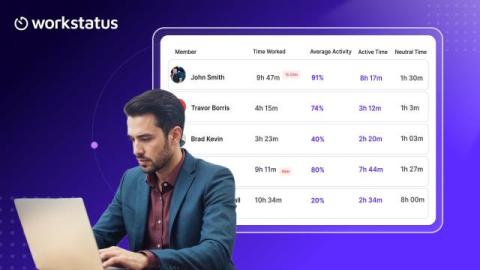

Workstatus Updates v6.17: Resource Utilization, Client Portal Phase 2 & Smarter Project Workflows

Your projects are moving. Your teams are working. But do you have complete visibility into resource utilization, client collaboration, and project execution? In this release, Workstatus introduces powerful new capabilities designed to help organizations improve planning, collaboration, and operational visibility. In this video, you'll see: Whether you're managing projects, resources, clients, or operations, these updates help teams make better decisions, improve collaboration, and stay aligned across every stage of delivery.

Introducing Client Portal in Workstatus | New Kanban & Data Retention Features

From a brand-new Client Portal experience to a redesigned Kanban board and enhanced data retention options, the latest Workstatus update is focused on improving collaboration, project visibility, and workflow efficiency across the platform. In this update, we cover.

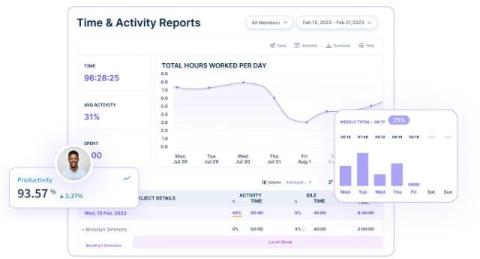
Time Intelligence: How to Turn Time Data into Smarter Business Decisions

You track hours all day, but still lack real-time visibility into how that time affects Without Time Intelligence, important work patterns stay hidden, making it difficult to make informed decisions. And you most often face: Read this blog to learn what Time Intelligence is, why it matters, and how it helps you make smarter decisions using time data.

The Complete Guide to Scope Creep: How to Catch It Before It Eats Your Project Margins

Your project started with a clear scope, timeline, and budget. Then came a few extra requests, additional revisions, and last-minute stakeholder inputs. Individually, they seemed manageable. Together, they added more hours, stretched resources, and increased costs without increasing project revenue. That’s how scope creep often unfolds. It rarely starts with a major change. Instead, it grows gradually until deadlines slip, workloads expand, and project margins begin to shrink.