

Teams | Collaboration | Customer Service | Project Management

The Best Sprint Planning Software Tools (2026)

Sprint planning tools: Summary & key takeaways Sprint planning tools are apps that help you turn a backlog into a committed sprint plan, then track delivery with boards, capacity signals, and sprint reporting. In this guide, I’m comparing eight popular sprint planning tools, including where each one shines, where it gets in the way, and which teams I’d actually put it in front of.


Agency Resource Management: Plan Smarter. Deliver Better.

Agency resource management: Summary & key takeaways If you run an agency long enough, you learn this the hard way. Resource problems rarely look like resource problems. They show up as missed deadlines. As small client requests that quietly take over the week. Resource management is not a spreadsheet task. It is a system for how your agency runs. When it works, delivery feels calm, clients get what they were promised, and leadership can plan ahead with confidence.

IT resource management: Planning capacity and avoiding overload

IT resource management: Summary & key takeaways If you have ever staffed an IT project because everyone looks free next month, you probably know how that plays out. A critical ticket appears, pre-sales needs help for a day, calendars fill up with meetings, and the plan that felt solid on Monday starts to fall apart by Thursday afternoon. That is why I treat IT resource management as an operating system, not a one-time staffing task.

8 Best Business Forecasting Software Tools for 2026

If you’ve ever staffed a project thinking, we’ll figure it out, you already know why forecasting matters. Forecasting isn’t just math. It’s the difference between protecting your margin and quietly losing it. It’s the difference between a smooth delivery week and a last-minute scramble for people you don’t have. This list covers broad business forecasting software options, but I’m reviewing them through a project delivery lens.

What Is Project Scope Management? (Definition, Process, and Examples)

Project scope management: Summary & key takeaways Project scope management is what keeps a project honest. It defines exactly what will be delivered, sets clear boundaries around the work, gains agreement from stakeholders, and controls changes so the project does not quietly grow beyond what was promised. In this guide, I will show you the key documents that hold scope together, including the scope statement, Work Breakdown Structure (WBS), and scope baseline.

Utilization rate: How to calculate it (with real examples)

Utilization rate: Summary & key takeaways Utilization rate is one of the most important metrics in professional services. But it’s often misunderstood. At its core, it shows how much of your team’s available time is spent on billable work. Get it right, and you have a clear view of revenue potential, team capacity, and operational health. Get it wrong, and you risk missed revenue, delivery delays, or team burnout.

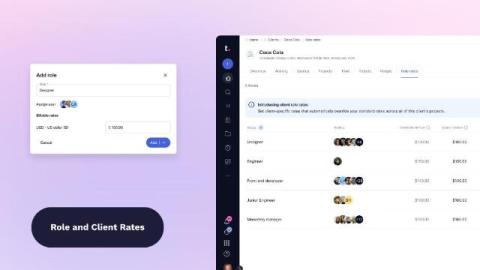
Billable rates to celebrate: New pricing by role and client

Accurate billing is essential to running a healthy services business. But when teams grow, projects diversify, and client agreements vary, managing billable rates can quickly become complex. That’s why we’re excited to introduce two powerful new billable rate types in Teamwork.com: Role Rates and Client Role Rates.

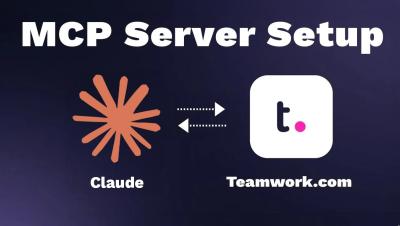
Connect Claude to the Teamwork.com MCP Server

Learn how to connect the Teamwork.com MCP server to Claude and use Claude with Teamwork.com and Teamwork Desk. In this walkthrough, we show you how to enable the Teamwork MCP server in Teamwork.com, add it as a custom connector in the Claude desktop app, authenticate your account, and start using Claude to review project data and take action. Using the example project Murphy Investment Co, you’ll see how Claude can return a project overview, surface open tasks, highlight priorities, and help you work more efficiently across Teamwork.

The true cost of 'Clientfishing'

In 2026, client budgets are shrinking, but expectations are skyrocketing, driven largely by AI. Increasingly, clients are shopping around for the best deal, requesting more pitches, bids, and complex submissions of interest that drain hours of work from already stretched teams. Here we’re sharing brand-new research on the new phenomenon of ‘Clientfishing’, the hidden cost of the pitch economy, and how to use Teamwork.com to manage this.