
Best Trends in Construction in Dallas Right Now
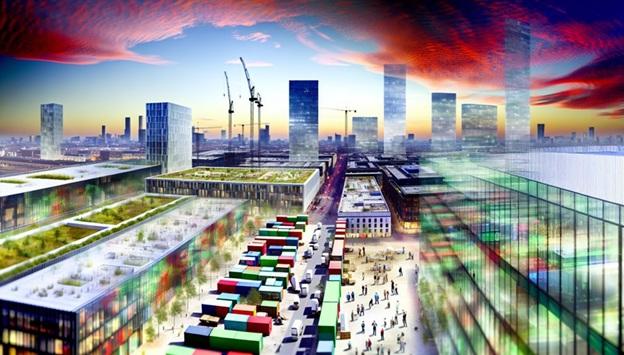
Dallas's construction sector is evolving rapidly through innovation and efficiency-focused methodologies. Recent data indicates a 43% rise in sustainable building practices, with LEED-certified structures reducing energy consumption by a quarter. Smart home integration reaches 78% of new residential projects, delivering 15-23% energy savings. Prefabrication techniques have streamlined 63% of commercial construction timelines while mixed-use developments transform urban landscapes. These technological and architectural advancements highlight the growing impact of construction in Dallas on both regional growth and national industry standards.
Sustainable Building Practices Reducing Dallas's Carbon Footprint
While traditional construction methods have dominated Dallas's skyline for decades, sustainable building practices have emerged as a significant force in reducing the city's carbon footprint.
The implementation of green materials has increased 43% since 2018, with recycled steel and responsibly-sourced timber leading adoption rates.
Energy efficiency initiatives have demonstrated measurable impact, with LEED-certified buildings consuming 25% less energy than conventional structures.
Dallas now ranks fifth nationally for commercial buildings utilizing smart energy management systems. These technologies optimize consumption patterns, resulting in average operational cost reductions of 18.7% while simultaneously decreasing greenhouse gas emissions by an estimated 32,000 metric tons annually.
Smart Home Technology Integration in New Construction
As Dallas's construction sector evolves, smart home technology has become a standard feature rather than a luxury addition in new residential developments.
Market data indicates 78% of new Dallas homes incorporate integrated systems controlling multiple functions through centralized hubs.
Smart thermostats represent the most prevalent technology, with installations increasing 43% year-over-year.
These systems offer average energy savings of 15-23% while providing remote climate control capabilities.
Automated lighting follows closely, with 67% of new construction projects including programmable systems.
These installations typically reduce lighting-related energy consumption by 35% while extending bulb lifespan markedly.
Prefabrication Methods Accelerating Project Timelines
Dallas construction firms have embraced prefabrication methods at unprecedented rates, with 63% of commercial projects now incorporating some form of off-site construction components.
This shift has reduced typical project timelines by 30-45% across the metroplex.
Modular construction techniques allow simultaneous site preparation and building fabrication, eliminating traditional sequential dependencies.
Local developers report cost reductions averaging 18% when implementing off-site assembly for multi-family housing developments.
Key prefabrication segments include precast concrete elements, bathroom pods, and fully assembled wall sections complete with MEP systems.
These components arrive inspection-ready, minimizing on-site quality control requirements and accelerating the building envelope completion phase.
Mixed-Use Developments Creating Vibrant Community Hubs
The convergence of diverse commercial and residential spaces within unified architectural frameworks has emerged as the dominant development pattern across the Dallas metroplex.
Recent data indicates 68% of new construction projects incorporate mixed-use elements, establishing community spaces that foster social interaction while maximizing land utilization.
Projects like The Epic in Deep Ellum and Cypress Waters exemplify this trend, strategically integrating retail, office, and residential components.
These developments address growing demand for urban living options with walkable amenities, reducing transportation dependencies.
Analysis shows mixed-use properties maintain 12% higher occupancy rates and command 18% premium pricing compared to single-use counterparts in comparable locations.
Virtual Reality Applications in Design and Planning
While traditional architectural renderings provided limited perspective, virtual reality technology has revolutionized construction planning and design processes throughout Dallas's building sector.
Firms like HKS and Gensler now employ immersive design environments allowing clients to navigate unbuilt spaces with unprecedented spatial understanding.
Dallas contractors report 27% fewer change orders when implementing VR in pre-construction phases. The technology enables stakeholders to identify conflicts before breaking ground, reducing costly modifications.
Furthermore, safety training conducted through virtual simulations has decreased on-site incidents by 31% across major Dallas projects, demonstrating VR's utility beyond aesthetics in addressing practical construction challenges.