
Important Things to Know About Drayage Logistics Services
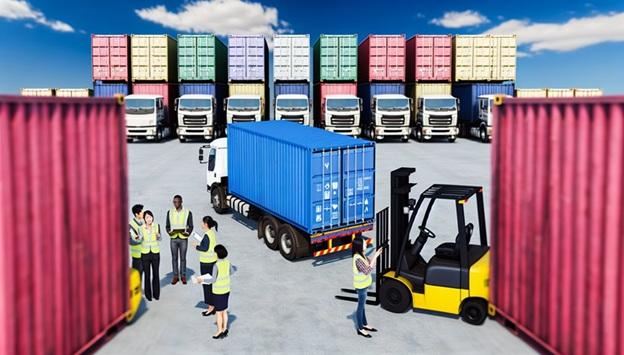
Drayage operations constitute a critical link in modern supply chains, bridging the gap between ports and final destinations. The movement of containerized freight through these short-distance segments requires specialized knowledge of intermodal processes, equipment requirements, and regulatory frameworks. Logistics professionals must navigate port congestion, chassis availability challenges, and fluctuating fuel surcharges to maintain operational efficiency. Understanding these elements becomes increasingly important as global trade complexities and last-mile delivery expectations continue to evolve in today's competitive marketplace.
The Four Main Types of Drayage Services and When to Use Each
Drayage services, vital components of intermodal freight transportation, can be categorized into four distinct types, each serving specific logistical requirements. Intermodal drayage facilitates container movement between different transportation modes, optimizing supply chain efficiency.
Port drayage specializes in transferring freight between seaports and inland destinations, critical for international shipping operations. Dedicated drayage provides exclusive transportation resources for high-volume shippers requiring consistent capacity and reliability.
Transloading drayage involves transferring cargo between container types, particularly valuable when cargo must shift between international shipping containers and domestic transportation units. Each type addresses particular supply chain challenges while maintaining freight integrity. A clear understanding of drayage logistics helps businesses select the right service type to streamline operations and reduce costs.
Cost Factors That Impact Drayage Pricing and Efficiency
Several interconnected factors influence the pricing structure and operational efficiency of drayage services in today's complex logistics landscape.
Distance between ports and destinations greatly affects fuel consumption and driver hours, directly impacting cost estimation models. Container size and weight classifications determine equipment requirements and handling procedures.
Port congestion levels introduce unpredictable delays, necessitating buffer time in scheduling calculations. Effective pricing strategies must account for accessorial charges including detention fees, chassis splits, and administrative documentation costs.
Seasonal demand fluctuations and regional labor market conditions further complicate accurate forecasting. Technological integration capabilities between stakeholders often determine operational throughput and exception management efficiency.
Technology Solutions Transforming Modern Drayage Operations
The intricate cost structures that dominate drayage operations increasingly yield to technological advancement across the supply chain ecosystem.
Digital platforms now facilitate real-time visibility, optimizing container movements and reducing dwell times at terminals.
Automation advancements manifest in autonomous yard trucks and predictive maintenance systems that minimize equipment downtime.
Meanwhile, data analytics transforms reactive management into proactive decision-making, enabling drayage providers to forecast congestion patterns and allocate resources accordingly.
API integrations connect disparate systems—customs, terminals, and carriers—creating seamless information flows that eliminate documentation bottlenecks and accelerate cargo processing, ultimately condensing transit times while enhancing operational reliability.